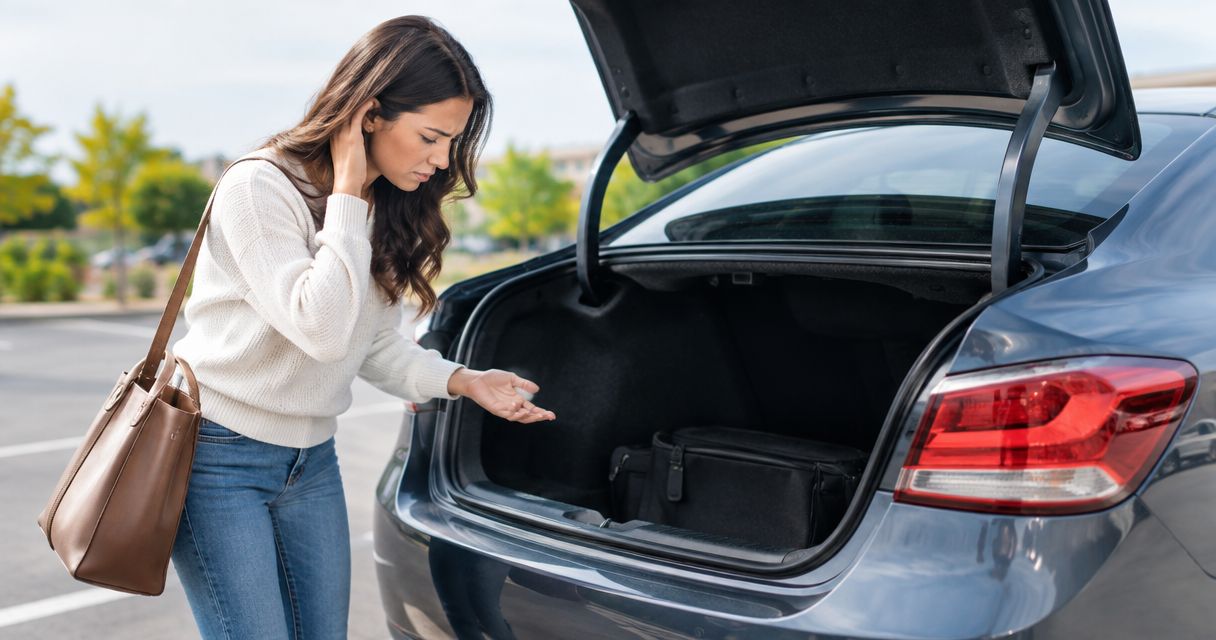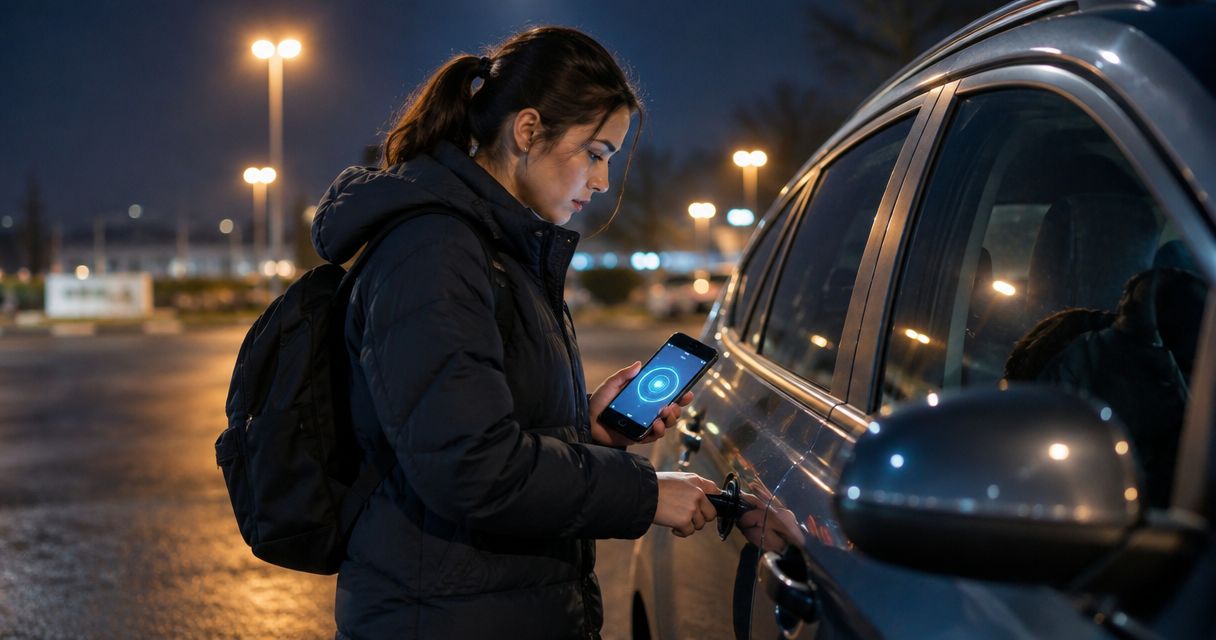
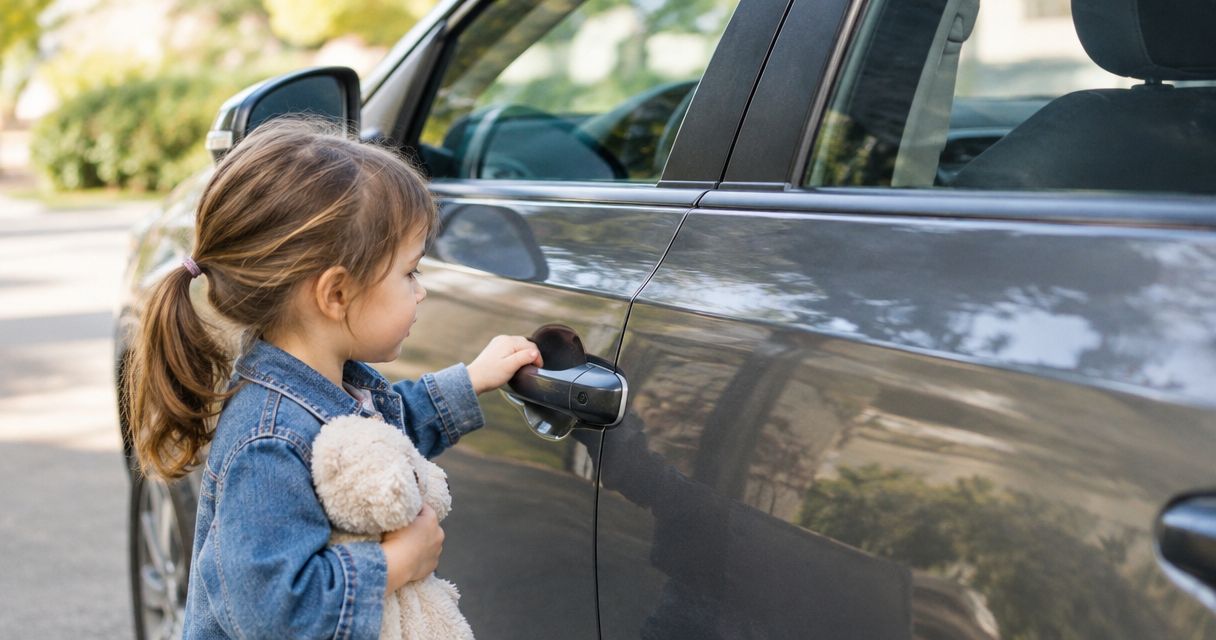
Best overall: keep the vehicle key on the responsible adult. Best for shared caregiving: use a spoken key handoff. Best backup: confirm your vehicle’s lock settings before relying on them. Here’s how to childproof your car against lockouts in 2026 without confusing child safety locks with lockout prevention.
- How to childproof your car against lockouts: keep keys with the adult, not inside the vehicle.
- Child safety locks control rear-door opening; they do not replace a key-control routine.
- If a child is locked inside a vehicle, call 911 first and follow the dispatcher’s instructions.
- Cupples Locksmith Service provides 24/7 vehicle and home lockout assistance in West Tennessee, without key cutting.
Why this matters
A child safety lock and a lockout-prevention habit solve different problems. The safety lock restricts opening a rear door from inside; your key routine helps keep the adult from getting locked outside.
If a child is locked inside a vehicle, call 911 first. Tell the dispatcher your exact location and the child’s condition. Do not delay that call while comparing services or looking for an entry method.
For vehicle or home lockout assistance in West Tennessee, call Cupples Locksmith Service at 731-225-9629. The business provides lockout assistance, not key cutting, duplication, or replacement.
What makes the best lockout-prevention routine?
Use these criteria for your family’s 2026 routine:
- Adult control: A responsible adult keeps the working key, rather than handing it to a child.
- Clear ownership: Everyone knows which adult has the key during a handoff.
- Repeatability: The habit still makes sense when you are carrying groceries or managing a stroller.
- Vehicle fit: Instructions match the vehicle’s actual locks, key system, and owner’s manual.
- Safe backup: Your plan explains whom to call without depending on improvised entry attempts.
No single habit makes a vehicle lockout-proof. Choose a primary routine, then add a backup that does not depend on the key or phone staying inside the car.
Lockout-prevention methods at a glance
| Method | Best for | Main benefit | Key limitation |
|---|---|---|---|
| Adult-held key routine | Everyday family trips | Keeps the key with the person responsible for access | Fails when the key gets set down inside |
| Spoken caregiver handoff | Trips involving multiple adults | Makes key responsibility explicit | Requires both adults to complete the handoff |
| Owner’s-manual settings check | Drivers unfamiliar with their vehicle | Separates actual features from assumptions | Features differ between vehicles |
| Door-closing pause | Loading children, bags, or groceries | Adds a deliberate key check before closing up | Interruptions still require attention |
| Outside-the-car backup plan | Families preparing for a lockout | Keeps help and access arrangements clear | Does not prevent the initial mistake |
1. Adult-held key routine: best for everyday family trips
Keep the vehicle key in a secure place on the responsible adult, rather than on a seat, in a cup holder, or in a bag you plan to put inside. A dedicated pocket gives the key a consistent home during loading and unloading.
Best for: Parents and caregivers who want a straightforward daily habit.
Adult-held key routine pros:
- Keeps access responsibility with an adult.
- Avoids using the key or remote as a child’s distraction.
- Applies to departures from home as well as parking-lot stops.
Adult-held key routine cons:
- Requires consistency when you change clothing or bags.
- Does not resolve a missing, damaged, or nonworking key.
Before closing a door, physically confirm that the key is with you. Do not treat remembering where you last saw it as the same thing as having it.
Use the same principle at home: keep the house key with you before stepping outside with a child. A key sitting indoors cannot help you reopen a locked entrance.
Verdict: Buy into this habit first. Adult-held keys are the default prevention routine.
2. Spoken caregiver handoff: best for shared responsibility
When another adult takes over, say who has the key and confirm that the receiving adult actually has it. A useful handoff is specific: identify the key holder before either person walks away.
Best for: Families sharing school pickups, errands, or caregiving.
Spoken caregiver handoff pros:
- Replaces assumptions with a clear assignment.
- Works when adults use different vehicles.
- Fits both vehicle departures and home arrivals.
Spoken caregiver handoff cons:
- Depends on both adults paying attention.
- Needs repeating whenever responsibility changes again.
Avoid handing over only a bag and assuming the other person knows the key is inside. Keep the conversation about the key itself, especially when a child needs attention at the same moment.
For home access, confirm who has the house key before the other adult leaves. If a relative is supervising your child, discuss access arrangements before an unexpected lockout becomes their problem.
Verdict: Buy into a spoken handoff whenever responsibility changes.
3. Owner’s-manual check: best for unfamiliar vehicle features
Read the instructions for your vehicle’s child safety locks, automatic locking, and key-detection features. Treat those as separate functions rather than assuming one setting protects against every lockout.
Best for: Drivers using a recently acquired, borrowed, or unfamiliar vehicle.
Owner’s-manual check pros:
- Gives you instructions for the vehicle you actually drive.
- Clarifies which doors and controls a setting affects.
- Helps you ask specific questions when a feature is unclear.
Owner’s-manual check cons:
- Does not replace keeping the key with an adult.
- Requires another check when you switch vehicles.
Do not assume a vehicle will refuse to lock with a key inside. Follow the manufacturer’s instructions, and do not test lockout behavior with a child inside or without a safe access arrangement.
For your 2026 family checklist, write down any setting that changes how you normally enter or leave the vehicle. If you cannot confirm what a feature does, do not make it your backup plan.
Verdict: Buy into checking the manual; skip assumptions about automatic protection.
4. Door-closing pause: best for busy loading and unloading
Pause before closing up and confirm where the key is. Keep the check simple enough to use while managing a child, a stroller, or shopping bags.
Best for: Stops where divided attention makes it easy to set things down.
Door-closing pause pros:
- Places the reminder at the moment access changes.
- Works alongside an adult-held key routine.
- Needs no added vehicle equipment.
Door-closing pause cons:
- Is easy to rush when someone interrupts you.
- Does not help if you check a bag instead of confirming the key itself.
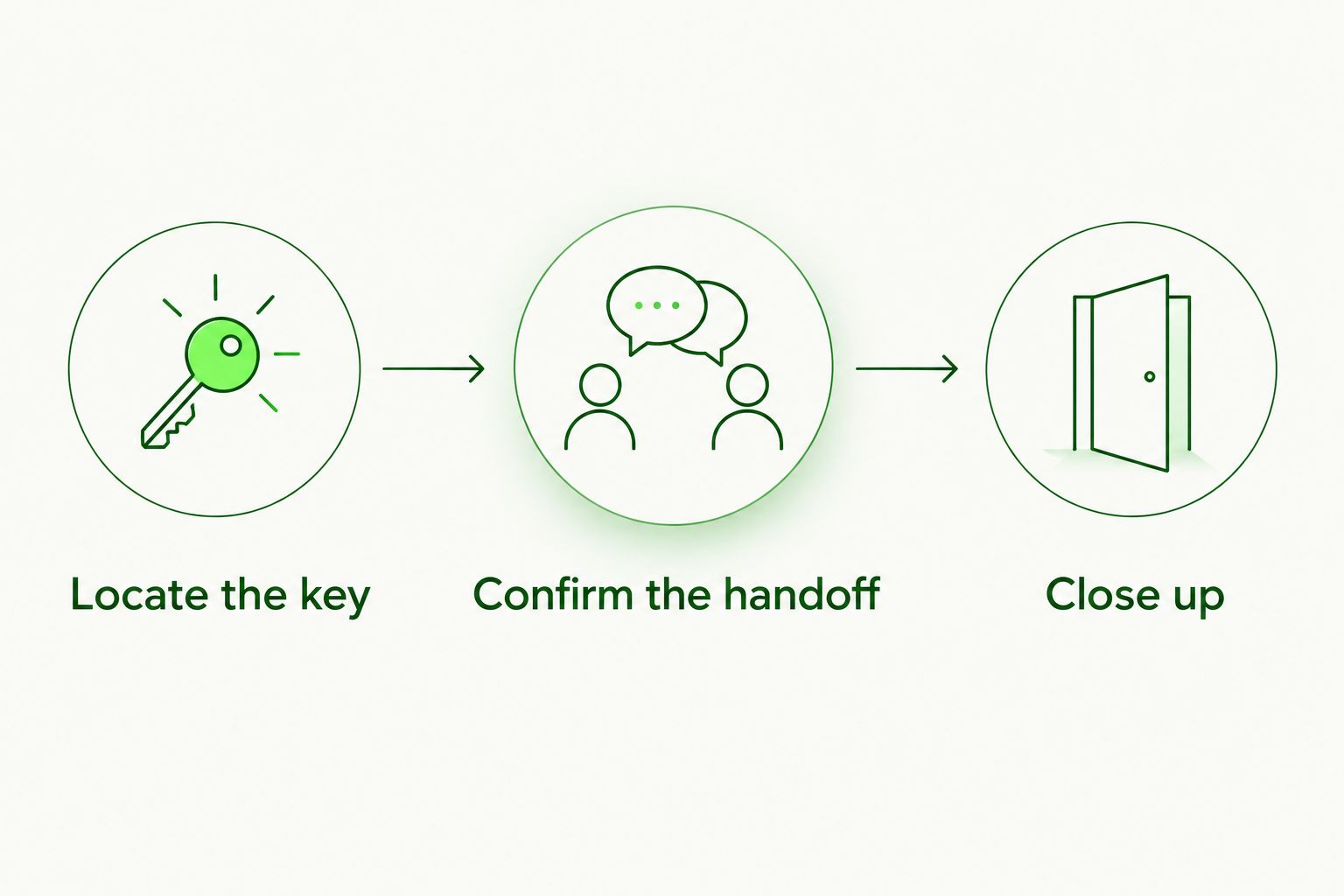
Use this short sequence:
- Locate the key: Confirm the actual key is with the responsible adult.
- Confirm the handoff: If another adult takes over, identify the new key holder.
- Close up: Complete your normal departure only after the key check.
At home, use the same pause before pulling the entrance door shut. Confirm your house key and phone are with you, particularly when you are taking a child outside or carrying several things.
Verdict: Buy into a closing pause; skip relying on memory alone.
5. Outside-the-car backup plan: best for recovering safely
Decide how you will contact help if your vehicle key and phone are both inside. If you already have an authorized spare, arrange for a trusted adult to keep it somewhere accessible outside the locked vehicle.
Best for: Families who want a clear plan if prevention fails.
Outside-the-car backup plan pros:
- Separates emergency help from ordinary lockout assistance.
- Gives caregivers a contact plan before they need it.
- Covers home access as well as vehicle access.
Outside-the-car backup plan cons:
- Does not stop a lockout from happening.
- Depends on reaching the person or service involved.
Cupples Locksmith Service is a fit for West Tennessee residents and drivers needing vehicle or home lockout assistance, not new keys. Call 731-225-9629 and explain whether you need access to a vehicle or a home.
For a child locked inside a vehicle, call 911 first. The guide to when a lockout needs 911 instead of a locksmith explains that distinction; reading it is not a step to take before an emergency call.
Verdict: Buy into a backup plan; skip any plan based on forcing entry yourself.
What to have ready when you call
Keep your 2026 call-preparation checklist focused on facts that explain the situation.
For a vehicle lockout
- Your exact location, including a useful parking-lot or roadside landmark.
- Whether a child, another person, or a pet is inside.
- The vehicle’s make, model, and year, if known.
- Where the key is and whether the engine is running.
- Whether your phone or identification is locked inside.
For a home lockout
- The address and the entrance you cannot access.
- Whether anyone is inside and whether there is immediate danger.
- Whether the house key is indoors, missing, or broken.
- Whether you are the resident, tenant, or an authorized family member.
- Where you can safely wait with your child.
Ask what proof of access is needed and how the service charge will be explained before agreeing to service. Do not assume a particular arrival time or that a lockout provider also makes keys.
Cupples Locksmith Service provides vehicle and home lockout assistance 24 hours a day, 7 days a week in Jackson and West Tennessee. Call to discuss your location and situation; do not treat round-the-clock service as an arrival-time guarantee.
How these methods are ranked
The ranking puts direct key control first, clear caregiver responsibility second, and vehicle-specific knowledge next. The closing pause reinforces those habits; the backup plan addresses what happens after they fail.
These are practical routines, not a product test or a guarantee. The best choice is the routine every responsible adult in your household can follow consistently.
Which method should you choose?
Start with the adult-held key routine and add a door-closing pause. If caregivers share trips, make the spoken handoff part of the same routine rather than a separate task to remember.
Keep child safety locks set according to your vehicle’s instructions. Do not disable a child-safety feature as a substitute for managing keys.
FAQ
What’s the best way to childproof my car against accidental lockouts?
Keep the vehicle key with the responsible adult and confirm it before closing up. Add a spoken handoff whenever another caregiver takes responsibility.
Do child safety locks stop me from getting locked out?
No. Child safety locks restrict rear-door opening from inside; they are not a substitute for keeping the vehicle key with an adult.
What should I do if my child is locked in the car?
Call 911 first and follow the dispatcher’s instructions. Give your exact location, describe the child’s condition, and stay with the vehicle.
Can I rely on my car to detect a key left inside?
Do not rely on key detection as your only lockout-prevention plan. Check the owner’s manual for your vehicle’s specific behavior and keep the key with you.
Who can help with a car or house lockout in West Tennessee?
Cupples Locksmith Service provides 24/7 vehicle and home lockout assistance in Jackson and West Tennessee. Call 731-225-9629 to discuss your location and situation; call 911 first for a child locked inside a vehicle.
Does Cupples Locksmith Service make replacement keys?
No. Cupples Locksmith Service provides lockout assistance and does not cut, duplicate, or replace keys.
Should my home lockout plan be different from my car plan?
The same key-control habit applies to both: confirm the key is with you before closing the door. For a home lockout, explain who is inside, which entrance is locked, and your authorization to enter.
One last thing
For your next family trip in 2026, agree on the key holder before loading begins. A child safety lock controls a door; an adult-controlled key routine protects your access. Use both for their intended purpose.
For vehicle or home lockout assistance in West Tennessee, call 731-225-9629. If a child is locked inside a vehicle, call 911 first.