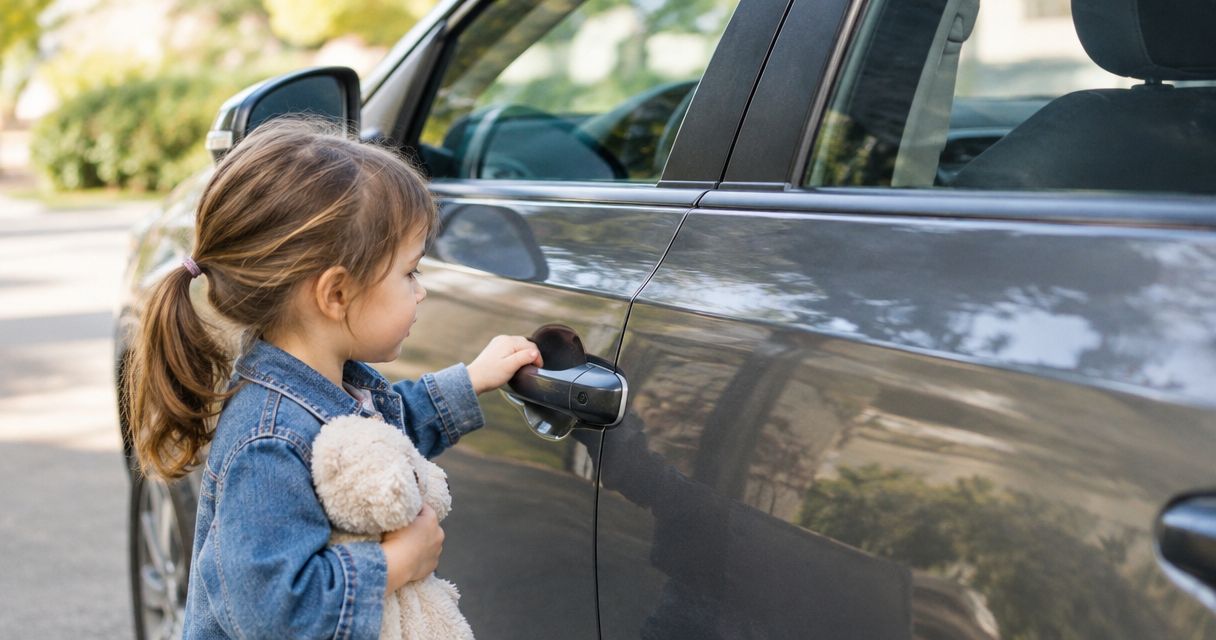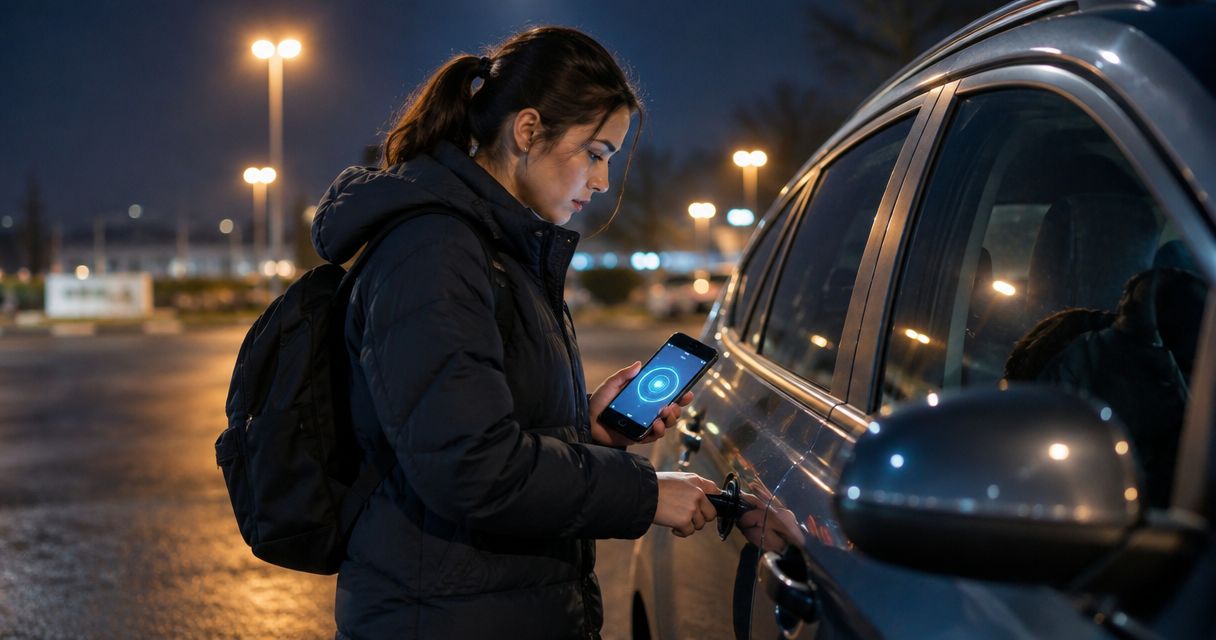
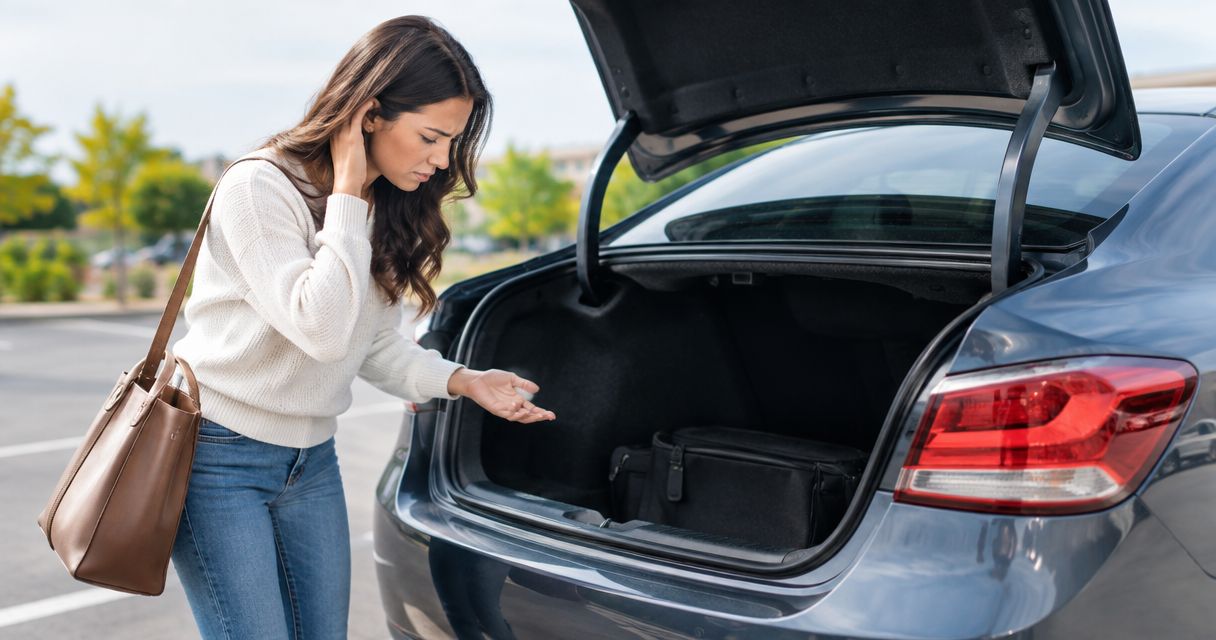
Best overall: keep your keys on you before closing the trunk. Best for busy loading: use a pause-and-check routine. Best no-purchase option: give your keys one dedicated pocket. Here’s how to avoid locking keys in the trunk and what to do if you’re already locked out.
- How to avoid locking keys in the trunk: keep keys on you, not beside the bags you’re loading.
- Check for your keys before closing the trunk; don’t depend on an electronic warning.
- Cupples Locksmith Service provides 24/7 vehicle and home lockout assistance in West Tennessee, not key cutting.
- Already locked out? Call 731-225-9629 and explain whether the keys are in the trunk or cabin.
Why this matters
Loading groceries, luggage, or household supplies gives you several things to handle at once. Make the key check part of closing the trunk, rather than something you remember afterward.
If prevention is no longer the question, Cupples Locksmith Service is for West Tennessee residents and drivers who need vehicle or home lockout assistance, not new keys. Call 731-225-9629 or visit Cupples Locksmith Service. Explain the situation before assuming that opening the vehicle will resolve access to the trunk.
What makes the best trunk-lockout prevention habit?
For this 2026 guide, the best habit is something you can repeat while carrying bags, managing distractions, or arriving home tired.
- Keys stay with you: The routine keeps keys separate from anything going into the trunk.
- A clear checkpoint: You confirm the key location before closing the lid.
- Simple repetition: The habit works during ordinary errands, not just when you concentrate on it.
- Clear responsibility: When someone helps load, everyone knows who has the keys.
- No assumed rescue feature: Your routine does not depend on the vehicle detecting a key inside.
Choose one main habit and add a checkpoint. You do not need a complicated system or another item to remember.
Best ways to prevent a trunk lockout at a glance
| Rank | Habit | Best for | Standout feature | Key limitation |
|---|---|---|---|---|
| 1 | Keep keys on your person | Everyday loading | Separates keys from trunk contents | Requires a secure place to carry them |
| 2 | Pause before closing | Distracted errands | Adds a final key-location check | Only works if you stop before closing |
| 3 | Use one dedicated pocket | Keeping track without buying anything | Gives keys a consistent home | Clothing changes require planning |
| 4 | Assign one key holder | Shared loading | Makes responsibility explicit | Requires a clear handoff |
| 5 | Keep keys out of cargo bags | Grocery and luggage trips | Separates access from stored belongings | You need another secure carrying place |
| 6 | Learn your vehicle’s lock behavior | Unfamiliar vehicles | Replaces assumptions with model-specific information | Information does not replace a key check |
1. Keep keys on your person: best for everyday loading
Before you lift bags or open luggage, put your keys somewhere secure on your person. Keep them there until you need them again. A key resting on the trunk floor is still inside the space you are about to close.
Best for: Drivers who want one default rule for every stop.
Keeping keys on you — pros:
- Keeps keys separate from bags and luggage.
- Gives you a place to check before closing.
- Works as a rule for both vehicle and home arrivals.
Keeping keys on you — cons:
- Loose or shallow pockets are not a secure carrying place.
- Moving keys between clothing and bags breaks the routine.
At home, apply the same rule before shutting the exterior door. Keep your house key with you until you know you have the access you need; do not leave it with belongings on the other side.
Verdict: Buy into this habit first. Keep the keys with you, not with the load.
2. Pause before closing: best for distracted errands
Stop before you close the trunk and physically locate your keys. Seeing the key or feeling it in its dedicated pocket gives you a direct check; remembering that you had it earlier does not.
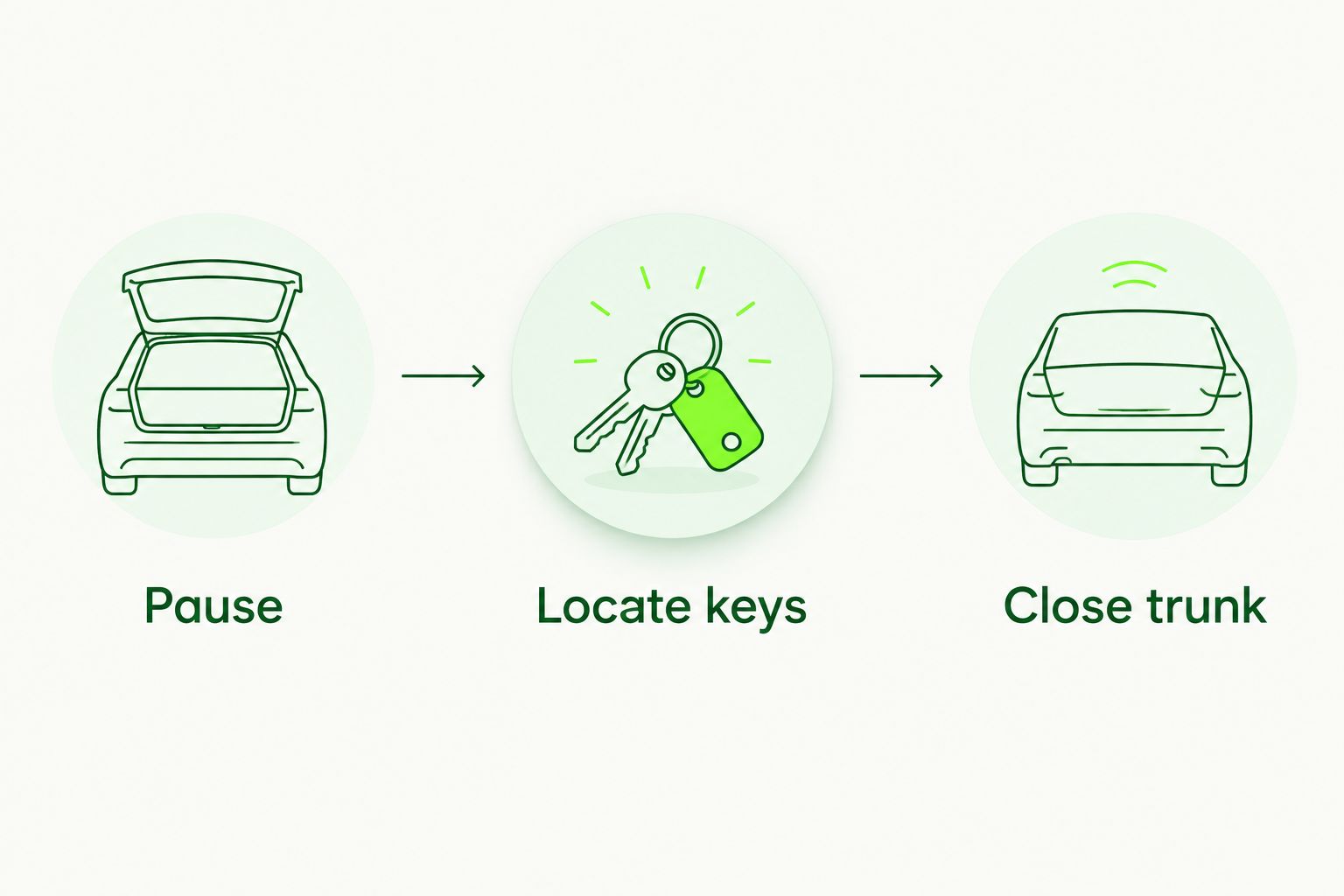
Use a short sequence: Pause. Locate keys. Close trunk. If another person interrupts you, finish the key check before returning to the conversation.
Best for: Shopping trips, busy parking lots, and interrupted routines.
The closing checkpoint — pros:
- Checks the key location at the moment it matters.
- Works alongside any secure carrying habit.
- Gives you a clear stopping point when distracted.
The closing checkpoint — cons:
- Rushing makes it easy to skip.
- An assumption about where the keys are defeats the check.
Use the same checkpoint at your front door: pause, locate the house key, then close the door. A habit shared across both situations is simpler than maintaining separate rules.
Verdict: Buy into this checkpoint whenever your attention is divided.
3. Use one dedicated pocket: best without buying anything
Choose an existing pocket that securely holds your keys and use it consistently. Keep the pocket for keys rather than mixing them with items you repeatedly remove during errands.
Before leaving home, account for clothing without that pocket. Choose another secure place deliberately instead of setting the keys down wherever your hands happen to be free.
Best for: People who move keys between pockets, counters, and bags.
A dedicated pocket — pros:
- Gives you one place to check.
- Requires no purchase when suitable clothing is available.
- Keeps keys separate from items going into the trunk.
A dedicated pocket — cons:
- Not every outfit has a suitable pocket.
- Leaving keys in clothing you remove defeats the system.
For household routines, decide where the key goes while you step outside. Do not make taking out rubbish or collecting something from the car an exception to your key-carrying rule.
Verdict: Buy into a dedicated pocket if inconsistent key placement is your problem.
4. Assign one key holder: best for shared loading
When several people are loading the vehicle, name the person holding the keys before anyone closes the trunk. Keep that responsibility with the same person until loading is finished.
If the keys change hands, make the handoff explicit. The person receiving them should confirm possession rather than letting everyone assume someone else has them.
Best for: Couples, families, and groups sharing loading tasks.
One key holder — pros:
- Makes responsibility clear.
- Avoids relying on guesses about who has the keys.
- Works when several bags and people are moving at once.
One key holder — cons:
- An unannounced handoff breaks the arrangement.
- The key holder still needs a secure carrying place.
The same approach works when a household is leaving together. Before the last person closes the home’s door, confirm who has the house key instead of assuming it is in someone else’s bag.
Verdict: Buy into a named key holder whenever loading is a shared job.
5. Keep keys out of cargo bags: best for groceries and luggage
Do not put your keys in a shopping bag, suitcase, or other container you intend to place in the trunk. Choose a secure carrying place that stays with you throughout loading.
Pay particular attention when repacking. Moving a key into a different bag changes the access plan, even if you normally know exactly where it belongs.
Best for: Drivers who carry keys inside bags rather than pockets.
Separating keys from cargo — pros:
- Keeps the key outside the belongings being stored.
- Makes your key location independent of packing order.
- Works with a dedicated carrying place and final check.
Separating keys from cargo — cons:
- Requires another secure place for the keys.
- A bag you usually carry can still end up in the trunk.
At home, check the same boundary in reverse. If your house key is in a bag inside the home, you do not have it with you when you step outside.
Verdict: Buy into separate key storage if bags are your usual key location.
6. Learn your vehicle’s lock behavior: best for unfamiliar cars
Read the owner’s manual for the exact vehicle you drive, including its trunk-locking and key-detection information. Do not assume a borrowed vehicle, rental, or recent purchase behaves like your previous car.
For a vehicle you start driving in 2026, make this part of getting familiar with it. Read the instructions rather than deliberately closing your only key inside to test a feature.
Best for: Drivers using a vehicle they do not know well.
Learning the vehicle’s behavior — pros:
- Gives you model-specific information.
- Helps separate documented features from assumptions.
- Gives you clearer questions to ask about unfamiliar controls.
Learning the vehicle’s behavior — cons:
- Reading about a feature does not replace carrying your key.
- Another vehicle’s behavior is not proof of your vehicle’s behavior.
Verdict: Buy into learning the vehicle; skip relying on an assumed lockout safeguard.
How these habits are ranked
This 2026 ranking puts physical key control first, a final checkpoint second, and vehicle knowledge last. Keeping the key with you directly addresses where it is; understanding the vehicle supports that habit but does not replace it.
These are practical recommendations, not measured lockout-prevention results. Choose the habit that addresses your routine rather than treating every item as another task.
Which habit should you choose?
Default choice: keep keys securely on your person, then locate them before closing the trunk. Add a named key holder for shared loading or separate key storage for luggage trips.
Carry that routine through the front door. Vehicle access and home access deserve the same check, especially when you are moving belongings between them.
Already locked out? Prepare for the call
Cupples Locksmith Service provides 24/7 vehicle and home lockout assistance in West Tennessee. Call 731-225-9629 and describe your exact location, whether you are near Humboldt, Jackson, or elsewhere in the region. Confirm assistance for your location during the call.
For keys locked in the trunk
Have these details ready:
- Your location and a safe place to wait.
- The vehicle’s make, model, and year.
- Whether the keys are in the trunk or passenger cabin.
- Whether the passenger doors are also locked.
- Any immediate safety concern.
Say “trunk” clearly. Read about keys locked in the trunk instead of the cabin rather than assuming that passenger-door access answers the whole problem.
For keys locked inside your home
Have these details ready:
- The address and where you can safely wait.
- Whether it is a house or apartment.
- Whether the key is inside, lost, or broken.
- Whether you need a property manager’s authorization.
- Any immediate safety concern.
Cupples Locksmith Service handles lockouts; it does not cut, duplicate, or replace keys. Explain lost or broken keys before requesting help so the scope is clear. For immediate danger, call 911 rather than waiting for routine lockout assistance.
FAQ
What’s the best way to avoid locking keys in the trunk?
Keep your keys securely on your person and physically locate them before closing the trunk. Do not leave them with bags or luggage you are loading.
Will my car stop me from locking the key fob in the trunk?
Do not rely on that assumption. Check the owner’s manual for your exact vehicle and keep the key with you regardless of any described warning or detection feature.
Should I put my keys in a grocery bag while loading?
No. Keep your keys separate from any bag you intend to put in the trunk, then check their location before closing it.
Who should hold the keys when several people load the car?
Choose one person to hold the keys until loading is finished. If responsibility changes, confirm the handoff before closing the trunk.
Who can I call if my keys are already locked in the trunk?
Call Cupples Locksmith Service at 731-225-9629 for vehicle lockout assistance in West Tennessee. State that the keys are in the trunk and confirm assistance for your exact vehicle and location.
Can the same habits help prevent a home lockout?
Yes: carry your house key, use a consistent secure place, and locate it before closing the exterior door. When leaving together, confirm who has the key.
Does Cupples Locksmith Service make replacement car or house keys?
No. Cupples Locksmith Service provides vehicle and home lockout assistance, not key cutting, duplication, or replacement.
One last thing
For your 2026 routine, change the trigger: closing a trunk or exterior door means checking your key first. Do not wait until your next rushed departure to decide where the key belongs.
If you are already locked out of your vehicle or home in West Tennessee, call 731-225-9629. Explain where the key is and what is locked.