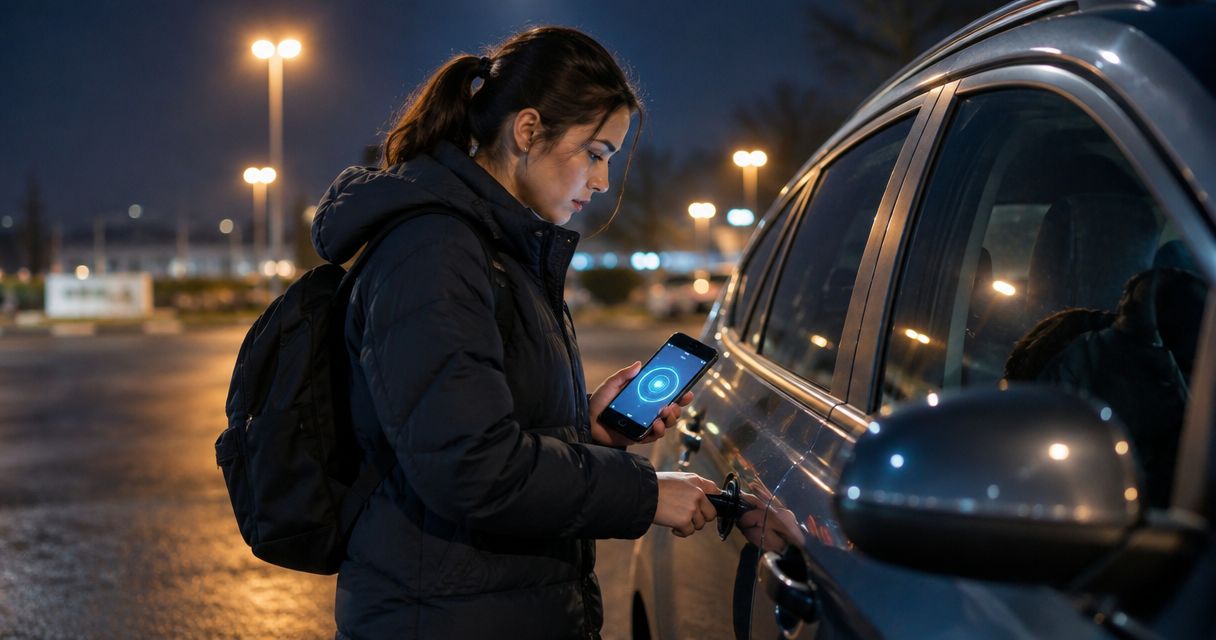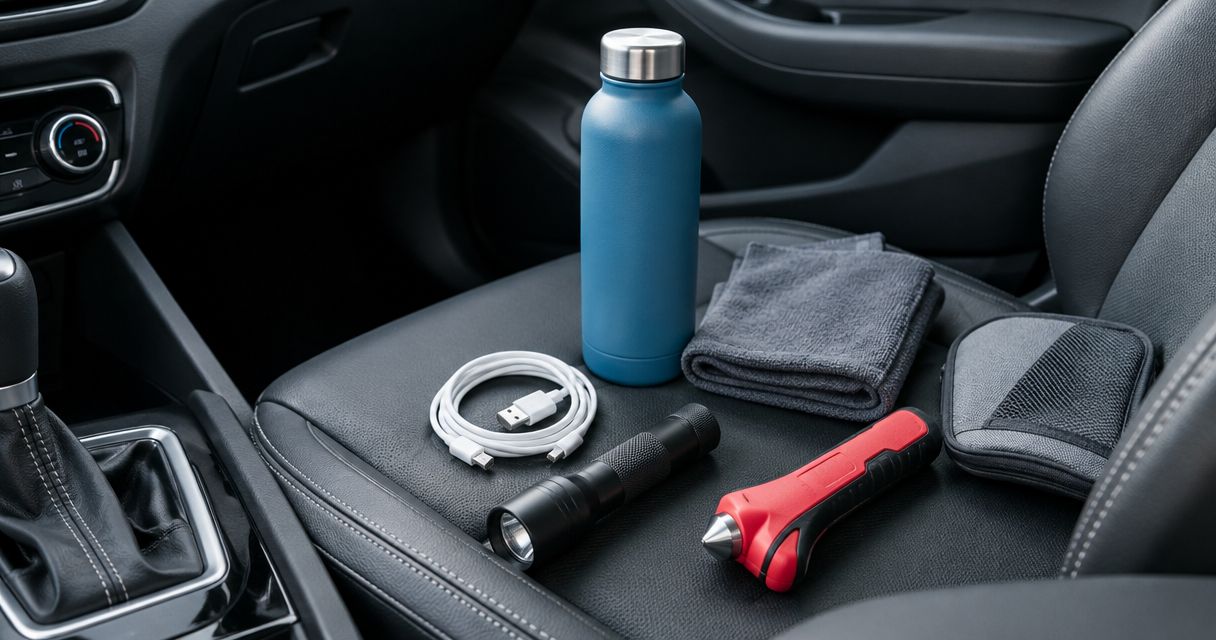
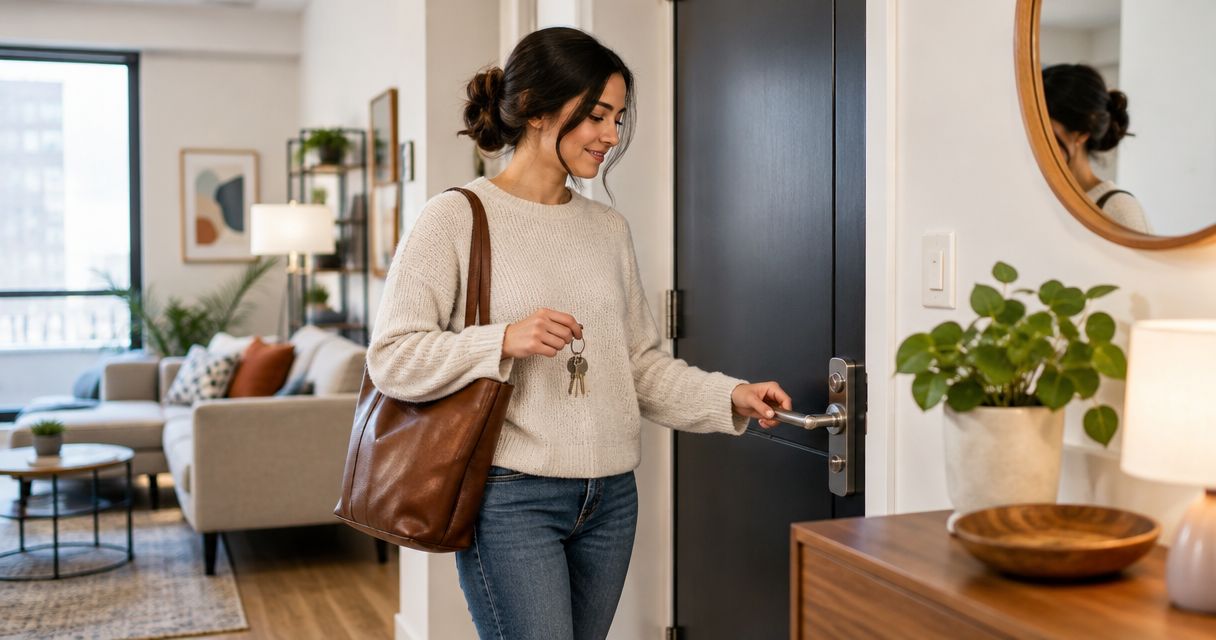
Best overall: touch your key before closing the door. Best for shared apartments: confirm who has the key. Best no-equipment habit: keep your keys in one place. These habits to prevent an apartment lockout give you a simple routine without changing your lock.
- The best habits to prevent an apartment lockout start with checking your key before closing the door.
- Shared apartments need a clear key handoff, not an assumption that someone else has it.
- Cupples Locksmith Service provides 24/7 vehicle and home lockout assistance in West Tennessee, without key cutting.
- Save your property manager’s contact details before you need apartment lockout help.
Already locked out? Cupples Locksmith Service provides home and vehicle lockout assistance in Jackson and West Tennessee. Call 731-225-9629 and explain your location and what is locked; key cutting and replacement are outside the service.
Why this matters
A good prevention habit catches a mistake while you can still correct it. Checking your key before the door closes is more useful than remembering it once you reach the parking lot.
Keep the routine short enough to use when you are tired, distracted, or carrying groceries. You need a repeatable check, not a complicated system that only works on an easy morning.
What makes the best apartment lockout habits?
The strongest habits fit the moment when access is at risk:
- Before-door timing: Check while you still have access to your apartment.
- Physical confirmation: Touch the actual key rather than assuming it is in your bag.
- Clear ownership: Know who holds a shared key and who needs it next.
- Everyday fit: Use the same routine for work, errands, laundry, and short trips outside.
- Safe backup planning: Keep authorized contacts accessible without hiding keys outside or sharing access details publicly.
No habit guarantees that you will never be locked out. The goal is to catch an absent key before closing the door and have a clear next step if the check fails.
Apartment lockout prevention habits at a glance
| Rank and habit | Best for | Main benefit | Key limitation |
|---|---|---|---|
| 1. Touch your key before closing | Your final exit check | Confirms the key is with you at the doorway | You must repeat it on every exit |
| 2. Give keys a fixed indoor place | Finding keys before leaving | Creates a consistent starting point | Does not confirm you took them |
| 3. Confirm shared-key handoffs | Roommates and shared households | Makes responsibility explicit | Depends on clear communication |
| 4. Check before short trips | Laundry, trash, and quick errands | Covers exits that feel too brief to prepare for | Easy to dismiss when rushed |
| 5. Save the property access procedure | After-hours planning | Gives you an authorized contact route | Depends on your property’s arrangements |
| 6. Check at apartment-to-car transitions | Drivers carrying separate keys | Separates home access from vehicle access | A car key check alone is not enough |
| 7. Update the routine after changes | Moves and household changes | Keeps access information relevant | Requires a deliberate review |
1. Touch your key: best habit for the final exit check
Stop before closing the apartment door and physically confirm that you have your apartment key. If you use a fob or other authorized access device, check that too.
Make this a separate action, not a passing thought. A bag hanging from your shoulder does not confirm that the key is inside it.
Key-touch check pros:
- Happens while you still have access to the apartment.
- Works without buying or installing anything.
- Applies whether you are leaving alone or with others.
Key-touch check cons:
- You have to repeat it even when you feel certain.
- Holding the wrong key does not confirm apartment access.
Best for: Your last check before closing the door.
Verdict: Use this as your default habit. If you adopt only one routine, make it physical confirmation at the doorway.
2. Give keys a fixed place: best habit for getting ready
Choose one indoor place where your apartment keys belong when you arrive home. Use a location that fits your routine and does not expose keys to visitors or public view.
Return keys there instead of leaving them in yesterday’s coat or a different bag. The purpose is consistency, not a particular hook, bowl, or organizer.
Fixed key place pros:
- Gives you a clear place to start looking.
- Separates keys from changing bags and clothing.
- Makes an absent key easier to notice before departure.
Fixed key place cons:
- Someone can still move the keys.
- Finding the keys does not mean you remembered to take them.
Best for: People who switch bags, jackets, or work clothes.
Verdict: Use it alongside the doorway check. A fixed place helps you prepare; touching the key confirms you actually brought it.
3. Confirm the handoff: best habit for shared apartments
When roommates share a key, say who has it and who needs it next. Do not treat another person standing nearby as proof that someone has secured access.
Before leaving together, ask the key holder to confirm possession. If plans change and you separate, settle the access arrangement before anyone leaves.
Shared-key handoff pros:
- Makes responsibility clear.
- Helps when household members leave at different times.
- Gives everyone a chance to flag changed plans.
Shared-key handoff cons:
- Requires everyone involved to communicate.
- Does not solve a missing or unusable key.
Best for: Roommates, partners, and households sharing access.
Verdict: Use an explicit handoff. Replace an assumption about who has the key with a clear answer before the door closes.
4. Check before short trips: best habit for quick exits
Treat a trip to the laundry room, mailbox, or trash area as leaving home. Confirm that you have the access item you need before closing the door.
A short errand does not remove the need to get back inside. Do not depend on another resident staying home unless that person has agreed and you have confirmed the plan.
Short-trip check pros:
- Applies the same routine to brief and longer outings.
- Does not depend on how long you expect to be away.
- Keeps access part of your preparation, even without a bag.
Short-trip check cons:
- Can feel unnecessary when you expect to return immediately.
- Still requires checking the correct key or fob.
Best for: Laundry trips, pet walks, and errands around the property.
Verdict: Use the full check for every exit. The length of the errand should not decide whether you bring your key.
5. Save the access procedure: best habit for after-hours planning
Ask your property manager how residents should handle an apartment lockout. Save the contact details and instructions somewhere you can reach without entering your apartment.
Clarify whom to contact outside office hours and what information they need. Do not assume a leasing office, maintenance worker, or neighbor can provide access on demand.
Property access plan pros:
- Gives you an authorized place to start.
- Lets you ask questions before an urgent situation.
- Helps you explain the property’s requirements when requesting assistance.
Property access plan cons:
- Procedures depend on the property.
- Saved details become less useful if contacts change.
Best for: Renters preparing for an evening or weekend lockout.
Verdict: Save the procedure before you need it. For the immediate next steps, read what renters should do when they need apartment lockout service.
6. Check both sets of keys: best habit for drivers
Before leaving your apartment for your vehicle, confirm that you have access to both. A vehicle key in your hand does not establish that your apartment key came with you.
At the vehicle, check where your keys are before closing and locking it. Keep your home-access check and vehicle-access check distinct, especially when carrying separate key rings or changing bags.
Apartment-to-car check pros:
- Covers the transition between two places you need to enter.
- Helps you notice a missing apartment key before driving away.
- Keeps vehicle keys from becoming a substitute for checking everything.
Apartment-to-car check cons:
- Adds another deliberate check to your departure.
- Cannot correct a damaged or missing key.
Best for: Drivers with separate home and vehicle keys.
Verdict: Check both kinds of access. Confirming one does not confirm the other.
7. Update your routine: best habit after a household change
Review your access arrangements after moving, changing roommates, or receiving updated property instructions. Confirm which key or fob belongs to your current apartment and where you keep it.
Update saved contacts at the same time. An old manager’s number or a previous roommate’s arrangement should not remain your emergency plan.
Access routine review pros:
- Connects your habits to your current living arrangements.
- Gives you a reason to check saved contacts.
- Clarifies responsibility after household changes.
Access routine review cons:
- Requires remembering to review the routine.
- Does not replace checking keys on ordinary days.
Best for: New tenants and households with changing access arrangements.
Verdict: Review after a change. Keep the everyday doorway check in place between reviews.
How these habits are ranked
The ranking puts prevention before recovery. Physically checking your key comes first because it addresses the immediate question: can you close the door and still get back in?
Organizing keys and coordinating handoffs support that check. Saved contacts and updated instructions come later because they help you respond when prevention fails rather than confirming that you have access now.
Which apartment lockout habit should you choose?
Start with the key-touch check, then give your keys a fixed indoor place. Together, those habits address both finding your key and taking it with you.
Add a handoff check if you share access. Add a separate vehicle check if you drive. You do not need a complicated routine; you need a short one that matches how you leave home.
Already locked out? Prepare these details before calling
Cupples Locksmith Service provides 24/7 home and vehicle lockout assistance for residents and drivers in West Tennessee. The service gets you back in; it does not cut, duplicate, or replace keys.
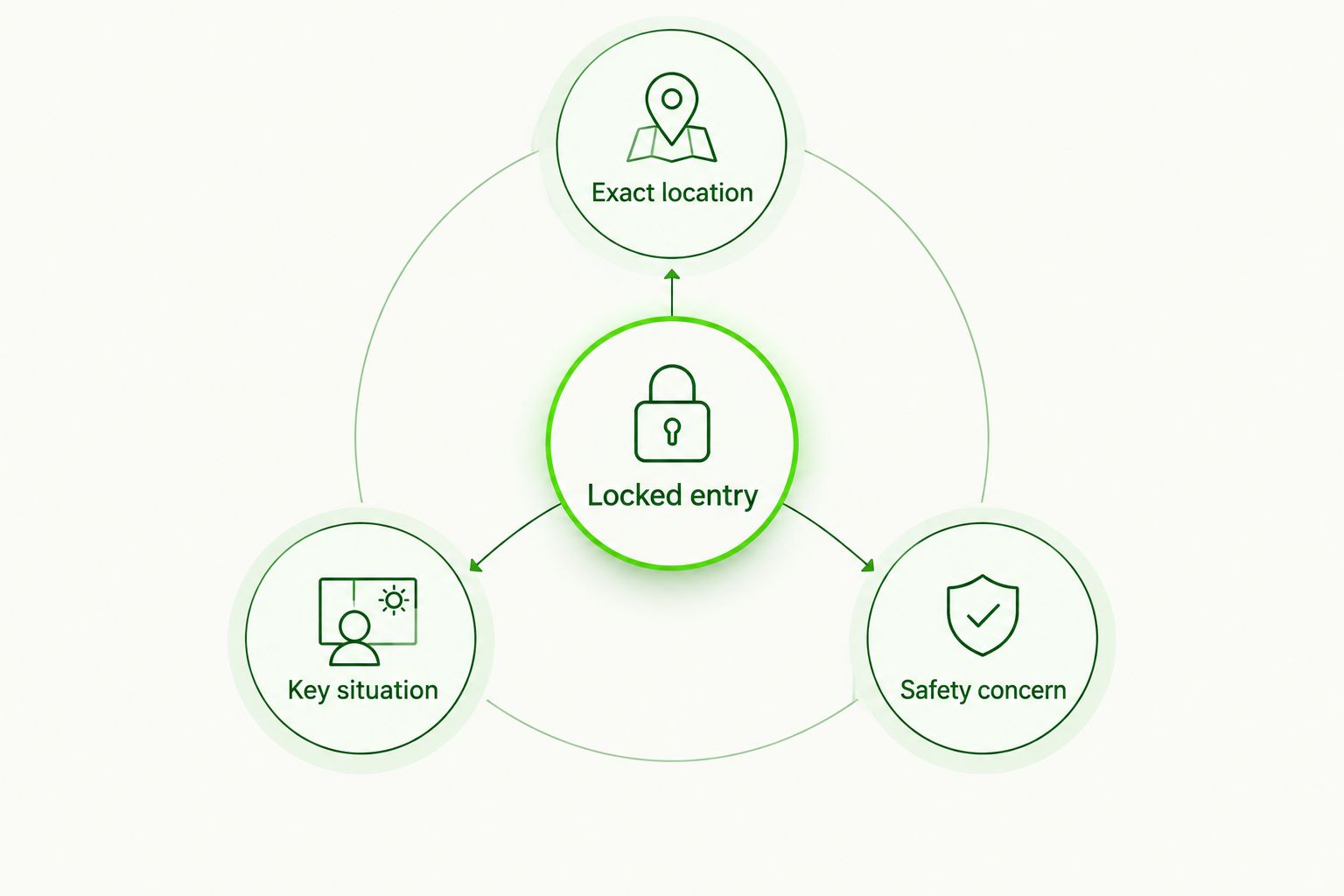
Have these details ready for either kind of lockout:
- Exact location: Give your address or current vehicle location, including useful property or parking details.
- Locked entry: Say whether you are locked out of an apartment, another home, or a vehicle.
- Key situation: Explain whether the key is inside, missing, or not working.
- Safety concern: State immediately if a person or animal is inside or someone is in danger.
For an apartment, add the unit information and any instructions from property management. For a vehicle, give the make and model and explain where it is parked.
If someone faces immediate danger, call 911 first. Otherwise, wait somewhere safe and follow the instructions given by property management or the service provider; do not attempt an improvised entry.
Call for lockout assistance
Vehicle or home lockout in West Tennessee? Explain your location and what is locked.
FAQ
What are the best habits to prevent an apartment lockout?
Physically check your apartment key before closing the door, keep keys in a fixed indoor place, and confirm shared-key handoffs. Use the same check for short trips as for longer outings.
Should I check my apartment key even when I am just taking out the trash?
Yes. Confirm that you have the key or authorized access device before closing the door, even for a brief trip around the property.
What should roommates do to avoid an apartment lockout?
Roommates should confirm who holds the key before leaving and agree on access if they separate. Do not assume another person has the key without asking.
Who should I call if I am locked out of my apartment?
Follow your property’s lockout procedure and contact the designated manager or after-hours contact. Cupples Locksmith Service also provides 24/7 home lockout assistance in Jackson and West Tennessee at 731-225-9629.
Can Cupples Locksmith Service make a new apartment or vehicle key?
No. Cupples Locksmith Service provides vehicle and home lockout assistance, not key cutting, duplication, or replacement.
What should I tell a lockout service when I call?
Give your exact location, say what is locked, explain the key situation, and identify any immediate safety concern. For an apartment, include unit and property instructions; for a vehicle, include the make, model, and parking location.
One last thing
Check for the key, not just the bag that usually holds it. Move that check to the moment before the door closes, while discovering a missing key is still a problem you can address from inside.