Best overall: wait indoors with a trusted neighbor; best for staying close: a sheltered porch; best when you need another indoor option: a nearby staffed public place. Cupples Locksmith Service provides 24/7 home and vehicle lockout assistance for residents and drivers in West Tennessee, without key cutting.
- How to wait comfortably for a home lockout service: choose safe shelter and tell your provider where you are.
- A trusted neighbor’s home is the first choice when you have permission to wait indoors.
- Keep your phone reachable, share access details, and avoid trying to force entry.
- Cupples Locksmith Service handles home and vehicle lockouts in West Tennessee, not key cutting or replacement.
Why your waiting place matters
You do not need to stand beside a locked door for the entire wait. Choose somewhere safe and comfortable, then tell your lockout provider how to reach you when help arrives.
Comfort comes after immediate safety. If someone is trapped inside and in danger, or you face another immediate emergency, call 911 rather than waiting for routine lockout assistance.
What makes a good lockout waiting place?
Use these checks before choosing where to sit or stand:
- Shelter: Get out of rain, direct sun, wind, or cold rather than simply staying close to the door.
- Permission: Use a neighbor’s property or a business only with permission.
- Phone contact: Keep your phone where you can hear or feel an incoming call.
- Clear access: Explain where you are waiting and how you will meet the person coming to help.
- Safe surroundings: Avoid traffic, isolated areas, and places where you feel threatened.
- Household needs: Choose a spot that works for children, pets, and anyone who needs a seat or accessible route.
Waiting options at a glance
These are waiting-place recommendations, not a ranking of lockout companies. Your safest suitable option comes first, even when it is not closest to the door.
| Waiting option | Best for | Main advantage | Main limitation |
|---|---|---|---|
| A trusted neighbor’s home | Indoor comfort close to home | Shelter and a nearby place to meet help | Requires permission and someone being home |
| A sheltered porch or permitted covered area | Staying near the property | Keeps you close to the entrance | Does not provide full protection from heat or cold |
| A nearby staffed public place | An indoor alternative when neighbors cannot help | Somewhere to wait away from an exposed doorway | Requires permission and a clear plan for meeting help |
| An accessible vehicle | A seat and temporary shelter beside the property | Keeps you nearby without standing outside | Not suitable if locked, unsafe, or uncomfortably hot or cold |
1. A trusted neighbor’s home: best for indoor comfort
A trusted neighbor’s home is the first choice when you can get permission to wait inside. You can step out of the weather without leaving the area entirely.
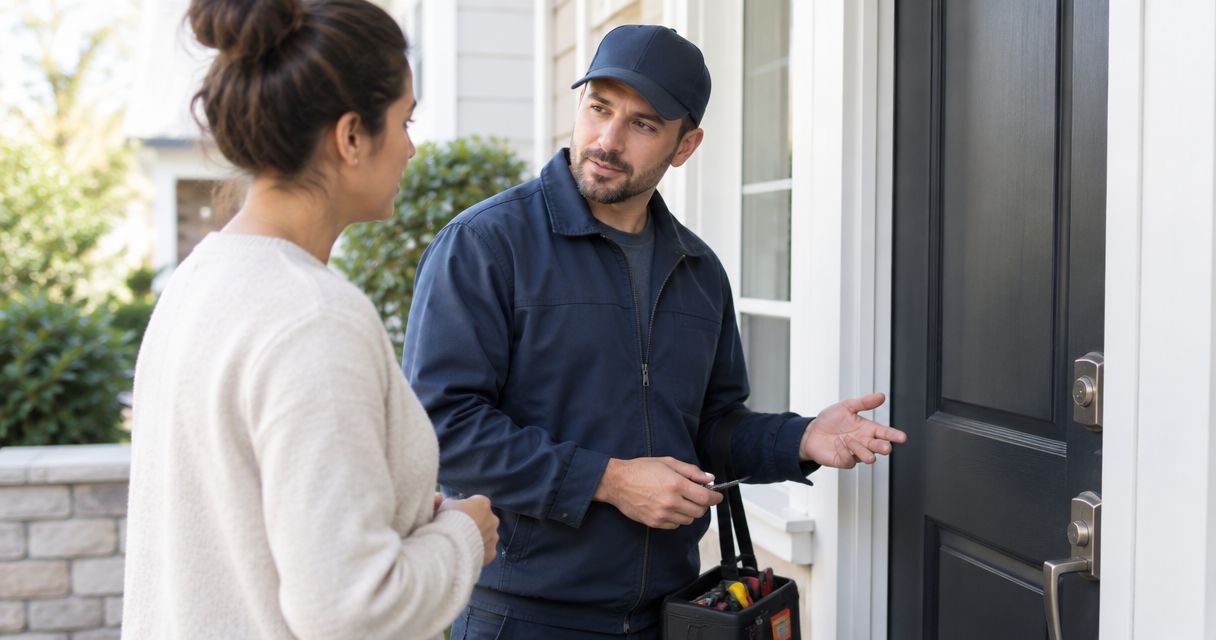
Tell your lockout provider that you are next door rather than at the locked entrance. Give a clear meeting point, especially if neighboring homes share a driveway or the house numbers are hard to see.
Trusted neighbor’s home pros:
- Provides indoor shelter instead of an exposed waiting spot.
- Keeps you close enough to arrange a straightforward meeting.
- Gives you somewhere to ask for a seat or phone charging if needed.
Trusted neighbor’s home cons:
- Depends on someone being home and willing to help.
- Requires you to explain that you are not waiting at your own door.
Best for: A home lockout when a trusted neighbor welcomes you inside.
Choose this option when you have permission and can stay reachable. Do not enter someone’s home or yard without their agreement.
2. A sheltered porch: best for staying beside the property
A sheltered porch or another permitted covered area keeps you near the locked home. Use it when conditions are comfortable and the spot provides meaningful shelter.
Stay clear of the entrance so the person helping you can reach it. If you are waiting after dark, explain where you will be rather than assuming you will be visible from the road.
Sheltered porch pros:
- Keeps the meeting point simple.
- Provides cover from some weather conditions.
- Avoids a walk away from the property.
Sheltered porch cons:
- Does not provide the protection of an indoor space.
- Is unsuitable when weather or surroundings make waiting outside unsafe.
Best for: Comfortable outdoor conditions when you want to remain near the door.
Choose this option only while it remains comfortable. Move somewhere safer if conditions change, and update your provider before changing your waiting spot.
3. A staffed public place: best when you need another indoor option
A nearby staffed public place is an alternative when you cannot wait with a neighbor. Ask permission to stay, and choose somewhere you can reach safely without turning a lockout into a difficult walk.
Before leaving the property, tell your provider where you intend to wait. Ask how to coordinate your return so nobody arrives expecting to find you at the door.
Staffed public place pros:
- Offers an alternative to waiting outside.
- Puts you near staff rather than in an isolated spot.
- Lets you step away from an uncomfortable doorway or driveway.
Staffed public place cons:
- Depends on opening hours and permission to remain.
- Adds travel between your waiting place and the locked property.
Best for: A home lockout with no suitable shelter at the property or with neighbors.
Choose this option when it is safely reachable and you have agreed on how to meet help. Do not walk away without updating your waiting location.
4. An accessible vehicle: best for nearby seating and shelter
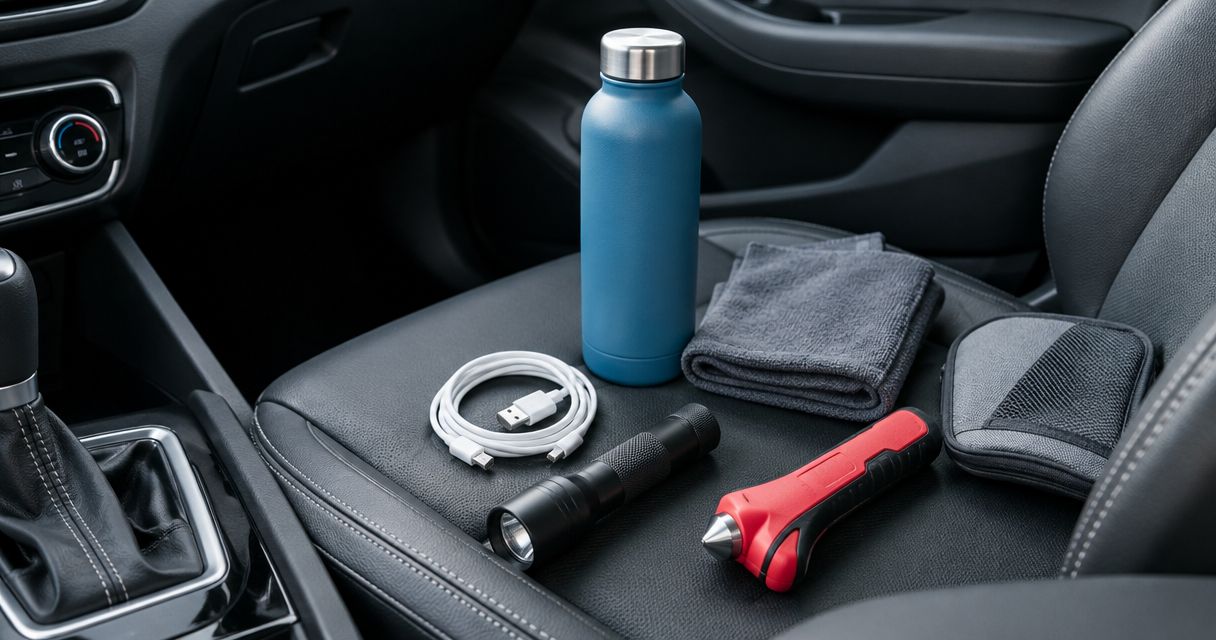
An accessible vehicle can give you somewhere to sit while you wait outside your home. Use it only when the vehicle is safely parked and its interior is comfortable.
This is not an option if the vehicle is also locked. Do not leave children, pets, or anyone needing assistance alone inside, and never run an engine in an enclosed garage.
Accessible vehicle pros:
- Provides seating without leaving the property.
- Offers temporary shelter from rain or wind.
- Gives you a clear waiting location to describe on the phone.
Accessible vehicle cons:
- Becomes unsuitable when the interior is too hot or cold.
- Does not help if your vehicle keys are also inside the locked home.
Best for: A home lockout when an unlocked, safely parked vehicle offers a comfortable place to wait.
Choose this option only while the vehicle remains safe and comfortable. Switch to indoor shelter when a parked vehicle does not meet those needs.
Prepare your call before settling in
Cupples Locksmith Service handles both vehicle and home lockouts. Call 731-225-9629 and explain which kind of access help you need; the service does not cut, duplicate, or replace keys.
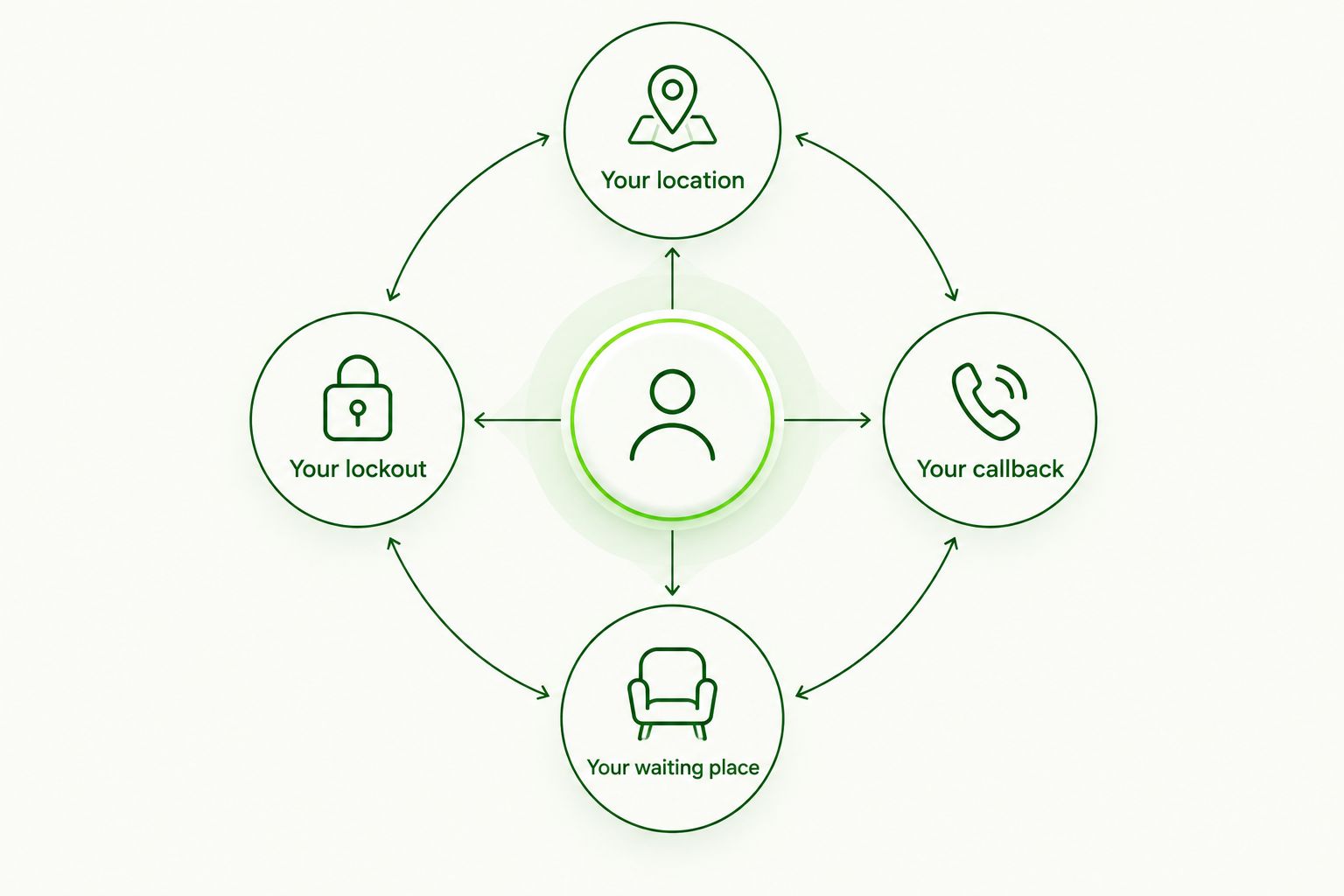
Keep the call focused on information that helps identify the location and the lockout:
- Your location: Give the address, town, and useful directions to the correct entrance or parking area.
- Your lockout: Say whether you are locked out of a home or vehicle and whether the keys are inside or missing.
- Your callback: Confirm the number where you can be reached.
- Your waiting place: Explain where you will wait and how you will meet help.
For a home lockout, mention an apartment number, shared entrance, or gate that affects access. For a vehicle lockout, give the vehicle’s make, model, and location within the parking area.
Ask what information is needed to confirm that you are authorized to access the home or vehicle. If your identification is locked inside, explain that during the call rather than leaving to retrieve something you cannot reach.
Call for lockout assistance
Explain your home or vehicle lockout and where you are waiting in West Tennessee.
If your vehicle is locked too
A home lockout and a vehicle lockout need separate explanations, even when they happen together. If your house keys and vehicle keys are both inside the home, say so before making plans to wait in the car.
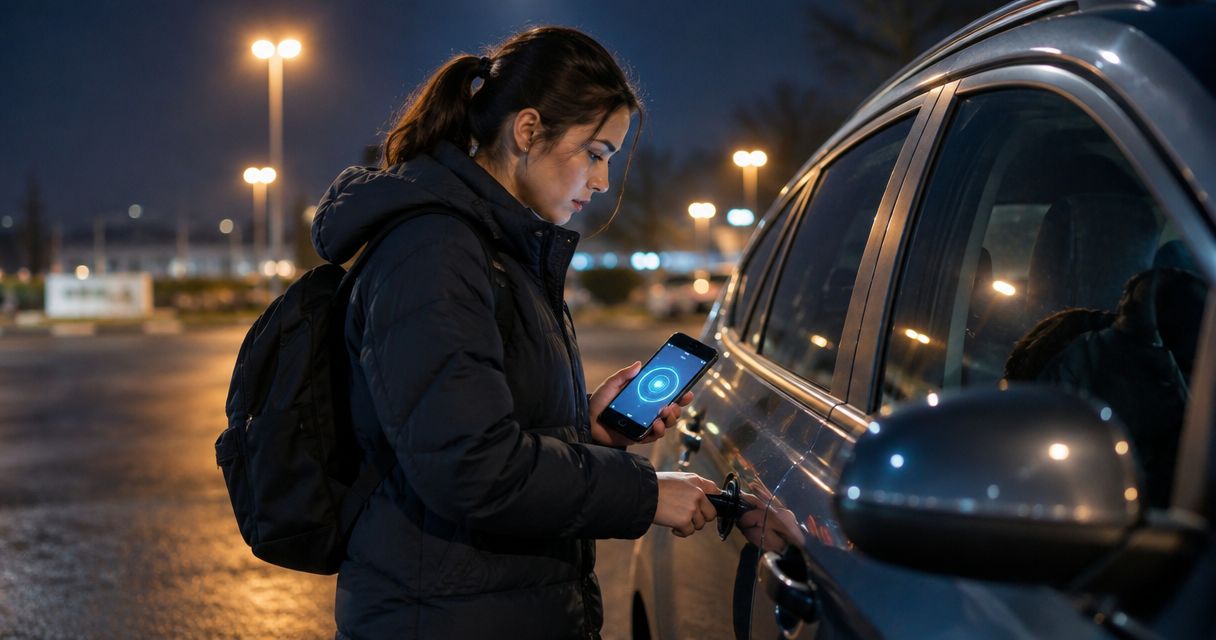
If you are instead locked out of your vehicle away from home, use the same shelter checks. Move out of traffic, choose a safe waiting place, and describe the parking lot, nearby entrance, or other useful landmark.
Keep the service boundary clear: getting access is not the same as replacing a missing key. Tell the provider whether the keys are visible inside, believed to be inside, or missing.
Keep the wait manageable
Once you have arranged help, keep your phone available for calls. If the battery is low, tell your provider and reduce nonessential phone use rather than spending the wait scrolling.
Ask for the current arrival estimate, but do not build your safety plan around a fixed countdown. If the agreed estimate passes, call for an update instead of repeatedly moving between waiting places.
You do not need to try to open the door yourself while waiting. Avoid forcing entry, climbing to another entrance, or attempting improvised access; concentrate on staying safe and available.
How these options were ranked
Indoor shelter with permission comes first, followed by a nearby covered spot, an indoor alternative, and a suitable accessible vehicle. The order reflects shelter, safe access, phone contact, and the ability to meet help—not promised arrival times or claims about competing services.
Which waiting option should you choose?
Choose a trusted neighbor’s home if that option is safe and welcome. Otherwise, select the nearest suitable shelter and tell your provider exactly where you will be.
Whether you are waiting at a home or beside a locked vehicle in West Tennessee, the practical rule stays the same: protect yourself from the conditions, remain reachable, and make the meeting point clear.
FAQ
How do I wait comfortably for a home lockout service?
Choose safe shelter, keep your phone reachable, and tell your lockout provider where you are waiting. A trusted neighbor’s home is the first choice when you have permission to wait indoors.
Do I have to stay beside my locked front door?
You can wait somewhere safer or more comfortable after coordinating with your lockout provider. Explain where you will be and how you will meet the person coming to help.
Can I wait in my car during a home lockout?
Use an accessible vehicle only when it is safely parked and comfortable inside. Never run an engine in an enclosed garage or leave children, pets, or anyone needing assistance alone inside.
What should I tell a lockout service before leaving the property?
Give your waiting location, callback number, and plan for meeting help at the property. Update the provider if you change locations again.
What if my phone battery is nearly dead while I wait?
Tell your provider before the phone loses power and agree on how you will meet. Reduce nonessential phone use and ask permission to charge it if you are waiting somewhere with that option.
Does Cupples Locksmith Service make replacement keys?
No. Cupples Locksmith Service provides 24/7 home and vehicle lockout assistance in West Tennessee, but does not cut, duplicate, or replace keys.
Should I call a lockout service if someone is trapped inside and in danger?
Call 911 for an immediate danger rather than waiting for routine lockout assistance. Give the location and explain who is inside and what makes the situation urgent.
One last thing
Your waiting location is part of the service call. If you move from the porch to a neighbor’s home or from a locked vehicle to indoor shelter, send that update before help arrives.
For home or vehicle lockout assistance in West Tennessee, call 731-225-9629. Explain what is locked, where you are, and where you will wait.