Best overall: get to safe shelter before arranging entry. Best for apartment access: contact your property manager. Best for a vehicle lockout too: tell the lockout service about both problems before requesting help. The best apartment lockout precautions during a storm put your safety ahead of getting the door open.
- Apartment lockout precautions during a storm start with safe shelter, not another attempt at the door.
- Cupples Locksmith Service provides 24/7 home and vehicle lockout assistance in West Tennessee, without key cutting.
- Contact apartment management about authorized access, and tell the lockout service where you can safely wait.
- Call 911 for immediate danger; do not wait for routine lockout assistance.
Why this matters
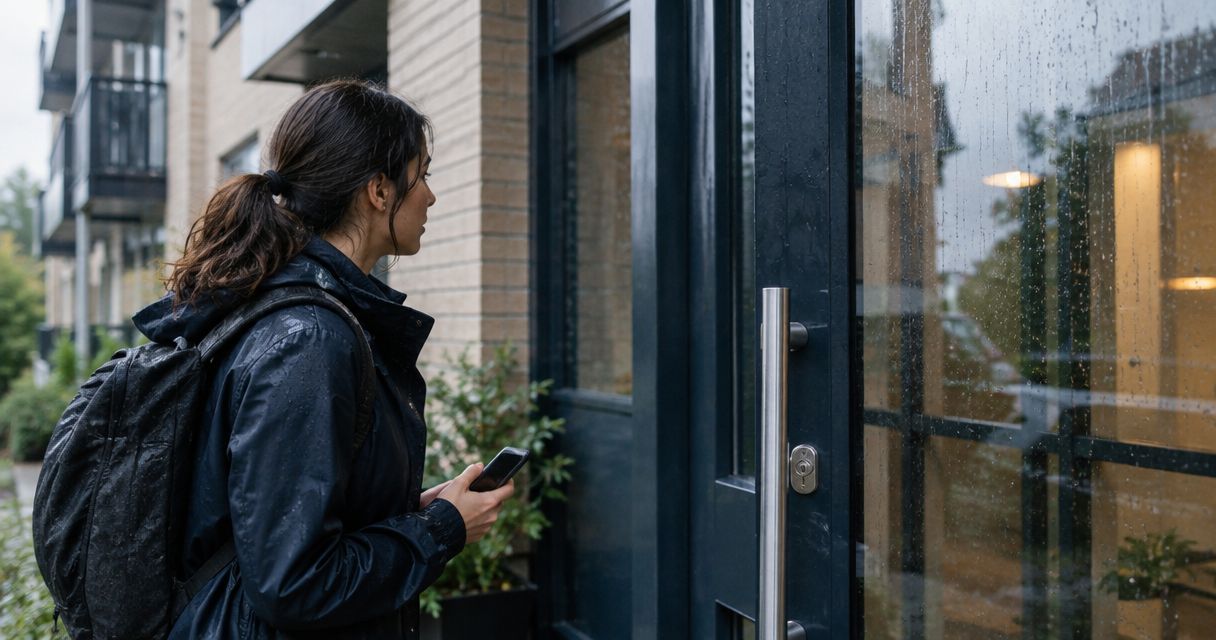
A locked apartment door becomes a safety problem when you are exposed to lightning, strong wind, flooding, or falling debris. Do not stay outside just to keep watch for help. Follow local weather alerts and move to suitable shelter without crossing a dangerous area.
For routine home or vehicle lockout assistance in West Tennessee, call Cupples Locksmith Service at 731-225-9629. The service handles lockouts, not key cutting or replacement. Cupples Locksmith Service is a fit for West Tennessee residents and drivers who need help getting back into a locked home or vehicle.
What makes the best storm lockout precaution?
Choose your next step by what it protects, not by how quickly it promises to open a door.
- Personal safety: Keeps you away from weather, traffic, floodwater, and damaged electrical lines.
- Authorized access: Gives apartment management and the service provider the information needed to discuss entry.
- Clear communication: Identifies your building, entrance, callback number, and safe waiting place.
- Correct service: Separates a lockout from a broken key or damaged lock.
- Changing conditions: Lets you change the plan when the storm or your location becomes unsafe.
Storm lockout precautions at a glance
| Priority | Precaution | Best for | Main benefit | Key limitation |
|---|---|---|---|---|
| 1 | Move to safe shelter | Immediate weather exposure | Puts personal safety before entry | Shelter must be reachable safely |
| 2 | Contact property management | Apartment access authorization | Clarifies the building's access process | Management may not answer immediately |
| 3 | Explain the lockout clearly | Arranging appropriate assistance | Distinguishes home, vehicle, and key problems | A phone description cannot establish every door condition |
| 4 | Agree on a waiting place | Staying sheltered while help travels | Reduces confusion about where to meet | Conditions can change after the call |
| 5 | Prepare access information | Avoiding preventable confusion | Makes your unit and situation easier to identify | Identification may be locked inside |
| 6 | Reassess immediate danger | Escalating beyond routine service | Keeps emergency needs ahead of the lockout | A locksmith is not an emergency rescue service |
These precautions work together. Start with shelter, then arrange authorized help; move immediate danger to the front of the list whenever it appears.
1. Move to safe shelter: best for immediate weather exposure
Best for: anyone standing outside during an apartment or vehicle lockout.
Get out of the weather before making a long service call. During lightning, a substantial enclosed building offers shelter; an open breezeway, porch, or tree does not provide the same protection. For a tornado warning, follow official shelter instructions rather than treating a parked vehicle as a tornado shelter.
Ask a trusted neighbor or building staff member whether you can wait inside. Do not cross floodwater or approach a downed line to reach a lobby, vehicle, or another building.
Safe shelter pros:
- Moves you away from direct weather exposure.
- Gives you somewhere to make a clear phone call.
- Keeps getting the door open from becoming your only concern.
Safe shelter limits:
- A nearby doorway is not necessarily adequate shelter.
- Reaching another location is not sensible when the route itself is dangerous.
Verdict: Use safe shelter first. Do not wait at the locked door for convenience.
2. Contact property management: best for authorized apartment entry
Best for: renters who need to clarify who can approve access.
Call your apartment manager, landlord, or listed emergency maintenance contact from a safe place. Explain that you are locked out during a storm and ask about the building's authorized entry process. Do not assume a neighbor can approve entry to your unit.
Tell management whether your keys are inside, missing, or broken. If you cannot reach anyone, explain that to the lockout provider and ask what authorization or identification is needed before arranging service.
Property management pros:
- Identifies the appropriate building contact.
- Clarifies any apartment-specific entry requirements.
- Gives you a place to report a damaged common entrance or door.
Property management limits:
- An unanswered call does not resolve the lockout.
- Building access and permission to enter your particular unit are separate questions.
Verdict: Contact management, but do not remain exposed while waiting for a reply.
3. Explain the lockout clearly: best for getting the right help
Best for: separating an apartment lockout from a vehicle or key problem.
Start with the problem, not just the word emergency. Say whether you are locked out of your apartment, your vehicle, or both. Then explain where the keys are and whether anything appears broken.
Cupples Locksmith Service provides home and vehicle lockout assistance 24/7 in Jackson and West Tennessee. It does not cut, duplicate, or replace keys. If your key is broken or missing, say so before arranging help; opening a door does not replace the key you need afterward.
Clear description pros:
- Keeps the request within the provider's service scope.
- Flags a second lockout before help is arranged.
- Separates an access problem from a request for new keys.
Clear description limits:
- A call does not confirm that every lock or door problem is a lockout-only job.
- Weather and road conditions still need to be discussed.
Verdict: Request the service you actually need, and state any broken-key issue immediately.
4. Agree on a waiting place: best for staying sheltered
Best for: renters or drivers who cannot safely wait beside the locked door.
Tell the service provider where you will wait and how to reach you. Your apartment address identifies the job; your waiting location explains where you can safely meet. Those locations do not have to be the same.
If you move, send an update when it is safe to do so. Do not walk into an exposed parking lot or stand beside a roadway just to make yourself easier to find.
A clear waiting plan pros:
- Lets you stay sheltered rather than watch the entrance.
- Distinguishes the apartment entrance from your meeting point.
- Gives the provider a callback plan if access is confusing.
A clear waiting plan limits:
- A previously safe waiting place can become unsafe.
- Poor reception or a low phone battery can interrupt contact.
Verdict: Agree on a sheltered meeting plan, then update it if conditions change.
5. Prepare access information: best for avoiding confusion
Best for: making a home or vehicle lockout call easier to act on.
Keep the call short, but include the details that distinguish your location and problem. Use this checklist from wherever you can safely wait:
- Location: Address, building identifier, and apartment number; for a vehicle, its exact parking location.
- Lockout type: Apartment, vehicle, or both, with the location of the keys.
- Safe shelter: Where you are waiting and whether you can remain there.
- Callback number: The phone the provider should use to reach you.
- Access information: Available identification, management contact details, and known entrance restrictions.
- Immediate danger: Anyone at risk inside, unsafe weather exposure, or a blocked approach.
For a vehicle lockout, add the make, model, and whether the engine is running. For an apartment lockout, explain whether the problem is your unit door or a common building entrance. If identification is locked inside, say so and ask what verification is acceptable.
The guide to what to tell a home lockout service when you call covers that conversation in more detail.
Call preparation pros:
- Reduces avoidable confusion about the address and entrance.
- Makes both home and vehicle needs clear.
- Raises authorization questions before arrival.
Call preparation limits:
- Documents and vehicle details are sometimes locked inside.
- Preparing information must not delay moving out of danger.
Verdict: Share what you know; do not take risks to retrieve documents or inspect the door.
Call for lockout assistance
Explain your home or vehicle lockout, your location, and where you can safely wait.
6. Reassess immediate danger: best for knowing when to escalate
Best for: situations that are no longer just an inconvenience.
Call 911 when someone faces immediate danger, including a medical emergency or a child trapped in a dangerous vehicle situation. Explain both the lockout and the hazard. Do not wait for routine service when emergency assistance is needed.
Keep following official weather alerts after you arrange help. A confirmed service request is not a reason to stay in a location that has become unsafe.
Reassessment pros:
- Keeps people's safety ahead of property access.
- Accounts for changing weather and conditions.
- Separates emergency rescue from routine lockout assistance.
Reassessment limits:
- Emergency assistance and ordinary door entry are different needs.
- No routine arrival estimate should determine whether you seek emergency help.
Verdict: Escalate immediate danger rather than waiting out the lockout.
How these precautions are ranked
The order puts personal safety first, followed by authorized entry, clear service information, and a workable waiting plan. Reassessment applies throughout: if danger appears, emergency action takes priority over every routine step.
Which precaution should you choose first?
Choose safe shelter first, then contact management and arrange appropriate lockout assistance. If you are already sheltered, start with the calls rather than returning outside to inspect the door. Leave entry work to the appropriate provider; do not attempt a forced entry.
FAQ
What's the first thing to do during an apartment lockout in a storm?
Move to suitable shelter before arranging entry. Do not remain at an exposed apartment door, under a tree, or in an open breezeway just to watch for help.
Should I call my landlord or a lockout service first?
Contact your landlord or apartment management from a safe place to ask about authorized access. If you need outside assistance, explain any management instructions and ask the provider what verification is required.
Can Cupples Locksmith Service help with an apartment lockout at night?
Cupples Locksmith Service provides 24/7 home and vehicle lockout assistance in Jackson and West Tennessee. Call 731-225-9629 to explain your apartment lockout and current location; do not assume a particular arrival time during a storm.
What if my apartment key is broken instead of locked inside?
Report the broken key before arranging service. Cupples Locksmith Service does not cut, duplicate, or replace keys, so do not treat an entry request as a replacement-key service.
Can I wait in my car during a storm lockout?
The right shelter depends on the weather hazard. An enclosed hard-topped vehicle provides lightning protection, but it is not a tornado shelter; follow official warning instructions and never enter floodwater to reach it.
What should I say if my apartment and car are both locked?
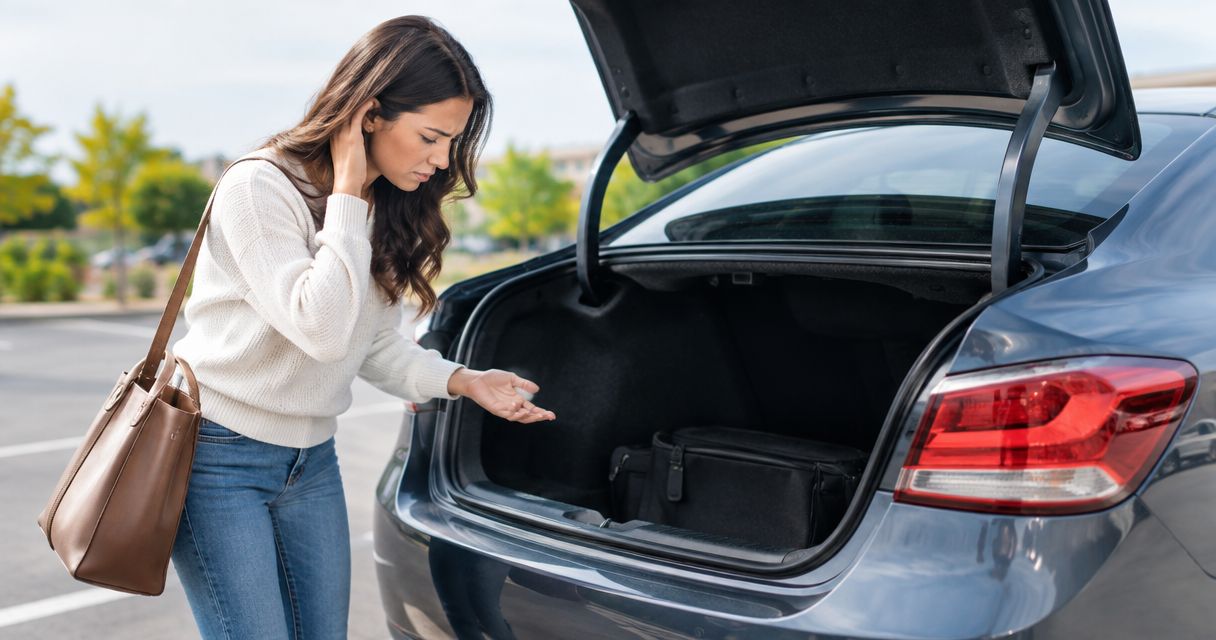
Tell the provider about both lockouts at the start of the call. Give the apartment address, vehicle location, location of the keys, and your safe waiting place so the request is clear.
When should I call 911 instead of waiting for lockout help?
Call 911 when someone is in immediate danger or needs emergency medical assistance. Tell the dispatcher about any person trapped inside, weather hazard, or other immediate threat, and follow their instructions.
One last thing
Your waiting location matters as much as the locked-door address. Before ending the call, confirm how the provider will reach you while you remain sheltered. For home or vehicle lockout assistance in West Tennessee, call 731-225-9629.