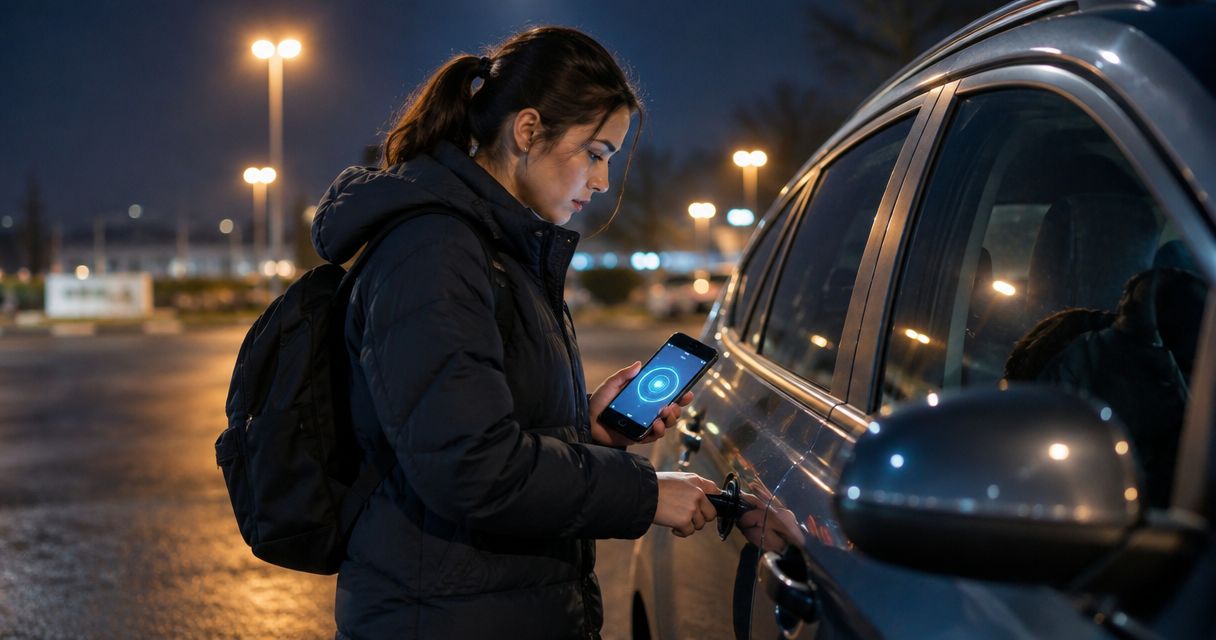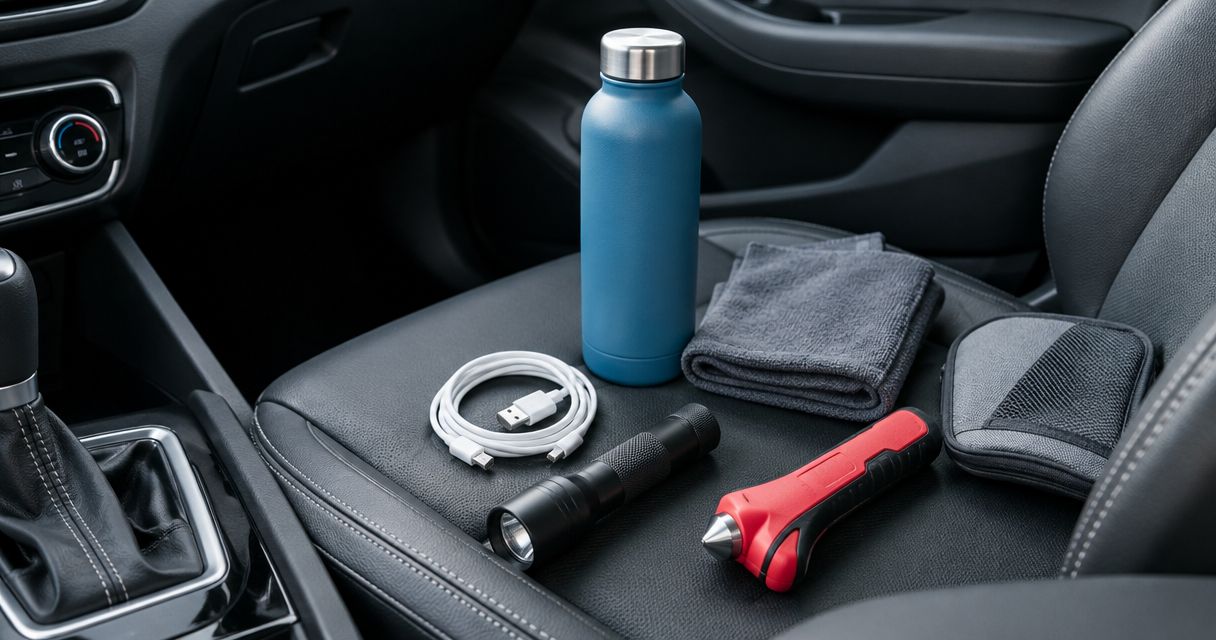
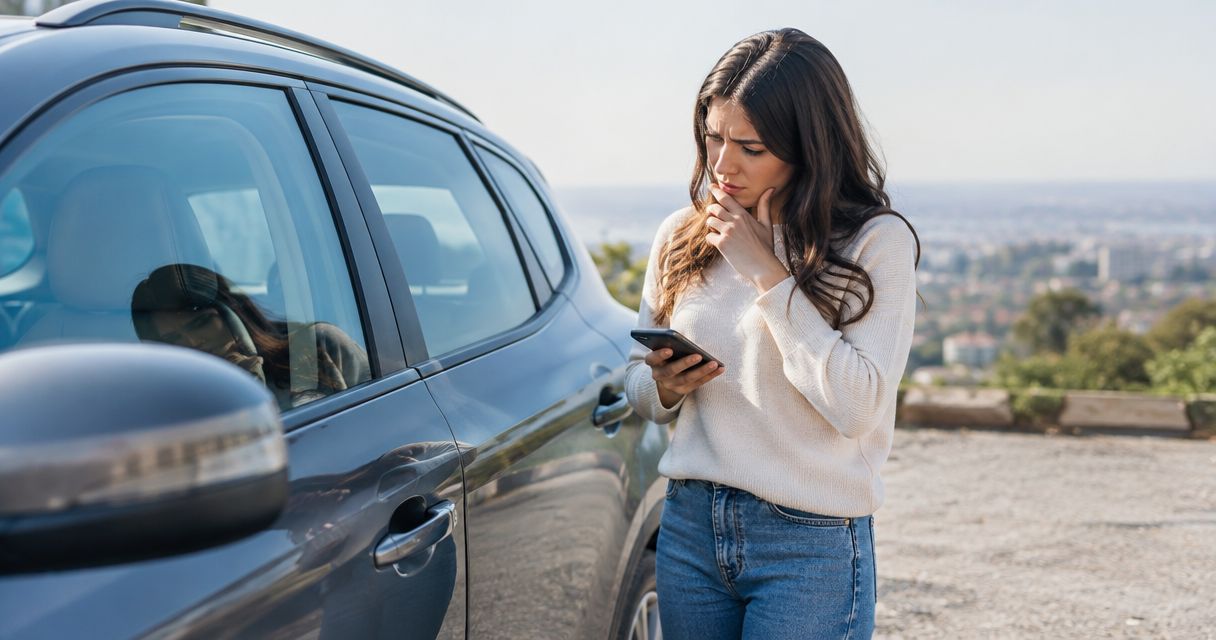
The best thing to do before a car lockout service arrives is get somewhere safe, confirm your location, and keep your phone available. If a person or animal is trapped inside and in danger, call 911 before waiting for routine lockout assistance.
- What to do before a car lockout service arrives: prioritize safety, confirm your location, and stay reachable.
- Cupples Locksmith Service provides 24/7 vehicle and home lockout assistance in Jackson and West Tennessee.
- Tell the provider whether your keys are inside, missing, or inaccessible; lockout assistance does not replace missing keys.
- For a home lockout, prepare your address, access details, and questions about proof of authorization.
Why this matters
A lockout call needs more than a town name. Your provider needs to know where you are, what is locked, and whether anyone faces immediate danger.
Cupples Locksmith Service handles vehicle and home lockouts across Jackson and West Tennessee. Cupples Locksmith Service is for residents and drivers who need lockout assistance, not key cutting or replacement.
You do not need to understand locks or diagnose the problem yourself. Give a clear description, ask what happens next, and avoid trying to force entry while you wait.
What makes a useful lockout preparation step?
The best steps solve a problem without creating another one. Use these criteria to decide what deserves your attention:
- Safety: Keeps you away from traffic, dangerous weather, and an unsafe waiting area.
- Findability: Gives the provider a usable location rather than a broad description.
- Communication: Keeps you reachable if the provider needs directions or an update.
- Authorization: Helps you explain your connection to the vehicle or home.
- Service fit: Separates an access problem from a missing-key or repair problem.
- Damage prevention: Avoids forcing doors, windows, or locks.
The best preparation steps at a glance
These steps are priorities, not alternatives. Start with safety, then work through the details that apply to your situation.
| Priority | Step | Best for | Main benefit | Limitation |
|---|---|---|---|---|
| 1 | Check for danger | Any potentially unsafe lockout | Puts emergency needs first | Does not replace emergency assistance |
| 2 | Confirm your location | Roadsides, parking lots, unfamiliar addresses | Helps the provider find you | A map pin alone can miss the correct entrance |
| 3 | Describe the vehicle | Preparing the service call | Gives the provider useful context | Does not establish whether entry is possible |
| 4 | Ask about authorization | Documents locked inside | Clarifies what to have ready | Requirements must come from the provider |
| 5 | Confirm the service scope | Keys inside versus keys missing | Prevents a mismatch between the problem and service | Unlocking does not replace a missing key |
| 6 | Agree on communication | Waiting away from the vehicle | Keeps directions and updates clear | Depends on a working contact method |
| 7 | Leave entry work alone | Avoiding additional damage | Keeps you from making the situation worse | Means waiting for appropriate help |
1. Check for danger: best for an unsafe lockout
Before gathering vehicle details, look at your surroundings. If you are near moving traffic, stand somewhere safer if you can reach it without entering traffic.
A trapped child, vulnerable person, or animal changes the priority. Call 911 when someone is in immediate danger; do not wait for a routine service arrival. Tell the dispatcher your location and follow their instructions.
Safety-check pros:
- Puts people before paperwork.
- Separates an emergency from an ordinary access problem.
- Gives you a clear first action.
Safety-check limits:
- A locksmith call does not replace emergency response.
- A vehicle's location does not always provide a safe place to wait.
Best for: Anyone dealing with traffic, dangerous exposure, or someone trapped inside.
Verdict: Check safety before doing anything else.
2. Confirm your location: best for unfamiliar places
Give the town and the most precise location you can confirm. In a parking lot, include the business name, the side of the building, and a visible landmark near your vehicle.
If you are roadside, describe your direction of travel and any nearby sign you can read safely. Do not walk along traffic lanes to find a better landmark. Tell the provider when your position is uncertain instead of guessing.
Location-detail pros:
- Distinguishes nearby parking lots or entrances.
- Helps explain where you are waiting.
- Gives you useful details to repeat if a call drops.
Location-detail limits:
- A street address can lead to the wrong entrance.
- A phone's map location does not describe every access restriction.
Best for: Drivers travelling through West Tennessee or parked at an unfamiliar property.
Verdict: Confirm the location before assuming the provider can find you.
3. Describe the vehicle: best for a clear service call
Have the vehicle's make, model, approximate model year if known, and color ready. Explain where the keys are and whether the vehicle is locked with the keys inside.
Mention anything directly relevant to access, such as the vehicle being inside a garage or behind a gate. If you do not know a detail, say so. You do not need to retrieve paperwork from a locked cabin before making the call.
Vehicle-detail pros:
- Gives the provider a clear description.
- Helps distinguish your vehicle in a crowded lot.
- Brings access restrictions into the conversation early.
Vehicle-detail limits:
- A description does not guarantee that a particular job can be completed.
- The provider still needs to assess the actual situation.
Best for: Drivers preparing to explain a vehicle lockout without technical language.
Verdict: Describe what you know; do not guess about the lock.
4. Ask about authorization: best when documents are inside
Ask what identification or proof of authorization the provider wants you to have ready. Explain immediately if your wallet, registration, or other documents are locked in the vehicle.
If the vehicle is borrowed, rented, or used for work, describe that arrangement. Let the provider tell you what is needed rather than assuming that a document or message will be sufficient.
Authorization-check pros:
- Raises document questions before arrival.
- Makes a borrowed or work-vehicle situation clear.
- Avoids searching for paperwork without knowing what is needed.
Authorization-check limits:
- Requirements depend on the provider and circumstances.
- Having documents ready does not replace an authorization check.
Best for: Anyone whose identification is inaccessible or whose name is not connected directly to the vehicle.
Verdict: Ask what is required before trying to solve the paperwork problem yourself.
5. Confirm the scope: best when keys are missing
An access problem and a missing-key problem are not the same thing. Tell the provider whether your keys are visible inside, believed to be inside, lost elsewhere, or damaged.
Cupples Locksmith Service handles vehicle and home lockouts but does not cut, duplicate, or replace keys. If your vehicle needs a replacement key before you can drive, unlocking the door does not complete that separate job.
Scope-check pros:
- Makes the requested work clear.
- Distinguishes getting inside from being able to drive.
- Helps you ask the right questions before agreeing to service.
Scope-check limits:
- Entry assistance does not solve every key problem.
- A damaged lock or ignition needs a separate discussion.
Best for: Drivers unsure whether they need unlocking, replacement keys, or another service.
Verdict: State the key problem plainly before requesting dispatch.
6. Agree on communication: best while waiting elsewhere
Confirm the callback number and tell the provider where you will wait. If you move indoors or away from the vehicle for safety, explain how to reach you when help arrives.
Ask for the current arrival estimate rather than assuming a fixed response time. If your phone battery is low, say so and agree on the next contact before ending the call.
Communication-plan pros:
- Keeps the provider informed if you move.
- Gives you a clear way to receive updates.
- Helps address a low battery before contact is lost.
Communication-plan limits:
- An estimate is not an arrival guarantee.
- Missed calls can leave directions unresolved.
Best for: Anyone waiting inside a nearby business, with another person, or away from an unsafe roadside.
Verdict: Stay reachable, but do not stay somewhere unsafe just to remain beside the vehicle.
7. Leave entry work alone: best for avoiding added damage
Do not force a door, window, handle, or lock while waiting. Avoid improvised entry attempts and do not let the pressure of being late turn an access problem into a repair problem.
Use the waiting time to organize your information instead. If anything changes, tell the provider before work begins.
Waiting-without-interference pros:
- Avoids adding damage through forced entry attempts.
- Keeps your attention on safety and communication.
- Lets you explain the original problem clearly.
Waiting-without-interference limits:
- Waiting does not resolve the lockout itself.
- Dangerous situations still require emergency help.
Best for: Drivers tempted to try an entry method while assistance is on the way.
Verdict: Leave entry work alone and keep the provider updated.
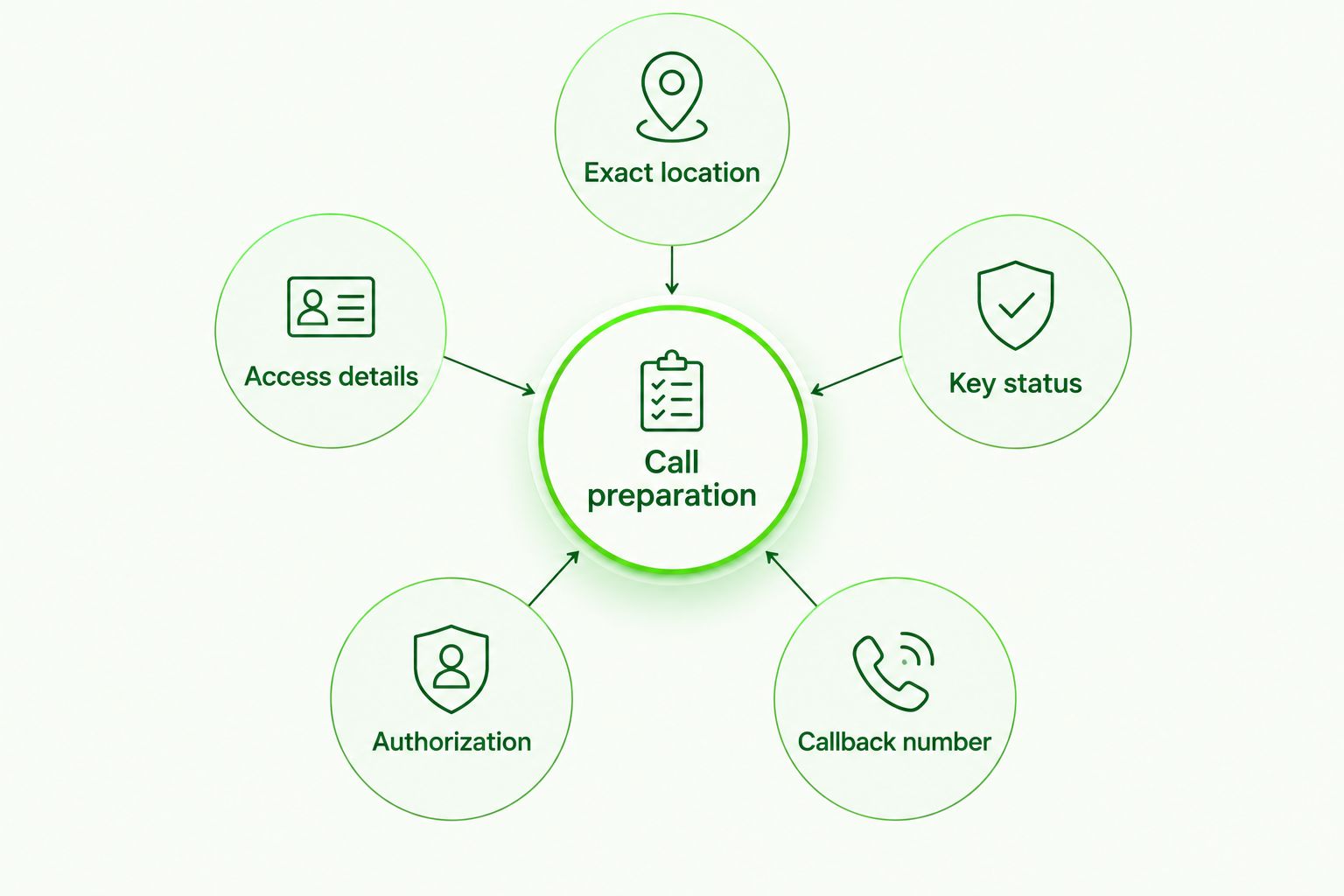
Keep this call-preparation checklist handy
You can read these details from your phone during the call. Start with the location and any danger, then cover the remaining points.
- Exact location: Town, address or landmark, entrance, and where you are waiting.
- Access details: Vehicle description or home entrance, plus any gate or parking restriction.
- Key status: Keys inside, missing, damaged, or otherwise inaccessible.
- Authorization: Ask what proof is needed and explain what is locked inside.
- Callback number: Confirm how the provider can reach you.
Locked out of your home? Use the same priorities
For a home lockout in West Tennessee, start with safety and a usable address. Give the town, street address, unit if applicable, and the entrance where you need assistance.
Explain whether the keys are inside or missing. If the door or lock appears damaged, describe what you can see without trying to repair it. Ask whether the situation fits lockout assistance before assuming that entry and repair are the same service.
For a rental home or apartment, contact the landlord or property manager about authorized access. Ask the lockout provider what identification or permission is needed, especially when documents are inside.
Best for: Residents who need home access rather than new keys or lock repairs.
- Pros: The checklist keeps the address, authorization, and access problem clear.
- Limits: Lockout assistance does not replace keys, establish permission to enter, or address every damaged-lock problem.
Cupples Locksmith Service provides 24/7 home and vehicle lockout assistance. Call 731-225-9629, explain your location and situation, and confirm the service details.
Call for lockout assistance
Explain your vehicle or home lockout, confirm your location, and ask what to have ready.
How these steps are ranked
The order puts immediate safety first, then the details needed to locate you and understand the job. Authorization, service scope, communication, and avoiding additional damage complete the checklist.
No step depends on knowing how a lock works. Your job is to describe the situation and wait safely, not attempt entry.
Which step should you take first?
Check for danger first. Once you are safe, confirm your exact location and keep your phone available.
For both vehicle and home lockouts, a clear call is more useful than a technical explanation. State what is locked, where the keys are, and what you need help accessing.
FAQ
What should I do before a car lockout service arrives?
Get somewhere safe, confirm your exact location, and keep your phone available. Have your vehicle description ready and ask what identification or authorization the provider needs.
Should I stay beside my locked car?
Stay somewhere safe rather than remaining beside the car at all costs. If you wait elsewhere, tell the provider your location and how to reach you.
What if my child or pet is locked inside the car?
Call 911 if a child, vulnerable person, or animal is trapped and in immediate danger. Give your exact location and follow the dispatcher's instructions rather than waiting for routine lockout service.
Can Cupples Locksmith Service make a replacement car key?
No. Cupples Locksmith Service provides vehicle and home lockout assistance but does not cut, duplicate, or replace keys. Explain whether your keys are inside or missing before requesting service.
What should I tell a home lockout service before arrival?
Give your full address, unit if applicable, and the entrance where you need assistance. Explain whether the keys are inside or missing and ask what proof of authorization is required.
What should renters do before home lockout assistance arrives?
Contact the landlord or property manager about authorized access. Tell the lockout provider that you rent the property and ask what identification or permission is needed.
Can I get home lockout assistance after hours?
Cupples Locksmith Service provides 24/7 emergency home and vehicle lockout assistance in Jackson and West Tennessee. Call 731-225-9629 to describe your situation and confirm the service details.
One last thing
Getting inside and solving the key problem are different jobs. If your keys are missing rather than locked inside, say that before dispatch so the conversation covers what you actually need.